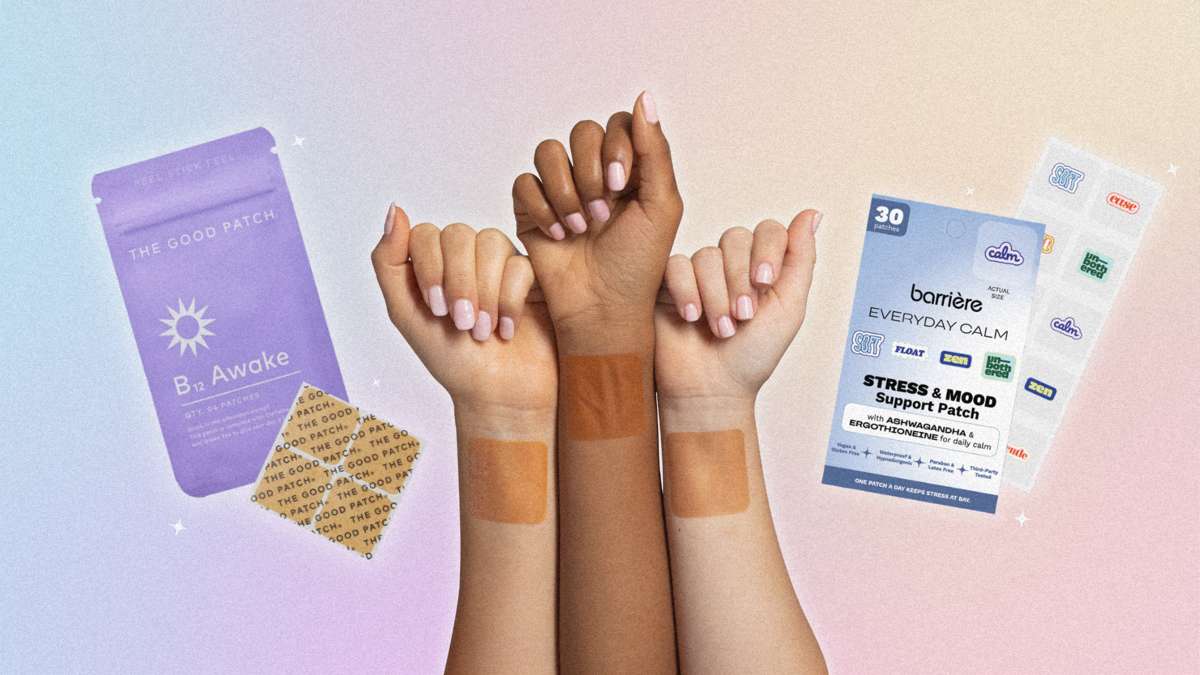
# Transdermal Wellness Patches Replace Gummies as the Supplement Delivery Method of Choice
Transdermal patches now compete with gummies as the preferred vehicle for vitamin and supplement delivery. The adhesive sticker format eliminates the need for swallowing pills or chewing supplements, appealing to consumers seeking convenience and discretion.
Brands across the wellness space have launched patch lines. The products claim to deliver collagen, vitamins, minerals, and adaptogens through the skin. Marketing emphasizes bioavailability and absorption rates superior to traditional oral supplements. Patches position themselves as an upgrade for busy professionals and fitness enthusiasts.
The trend reflects broader shifts in how consumers approach wellness. Gummies dominated the supplement aisle for a decade, driven by taste, portability, and visual appeal. Patches offer something gummies cannot. They deliver consistent dosing throughout the day. They require no compliance reminders. They fit seamlessly into lifestyle-focused beauty and wellness routines.
Yet efficacy remains contested. Dermatologists and pharmacologists question whether transdermal delivery actually works for most nutrients. The skin barrier blocks many molecules. Patch adhesion varies. Individual metabolism differs. Some vitamins require stomach acid for absorption. Marketing claims often outpace clinical evidence.
The wellness industry profits from the perception of innovation regardless of proven results. Patches feel futuristic. They align with minimalist, hack-culture aesthetics. They photograph well. Social media influencers feature them in wellness routines. This cultural cache drives adoption faster than controlled trials could justify.
Retailers stock patches because they command premium pricing. Consumers perceive patches as advanced technology. The supplement market operates with less FDA oversight than pharmaceuticals. Brands exploit this regulatory gap to make broader claims than evidence supports.
The patch trend reveals how fashion and wellness industries intersect. Products succeed not always because they work better