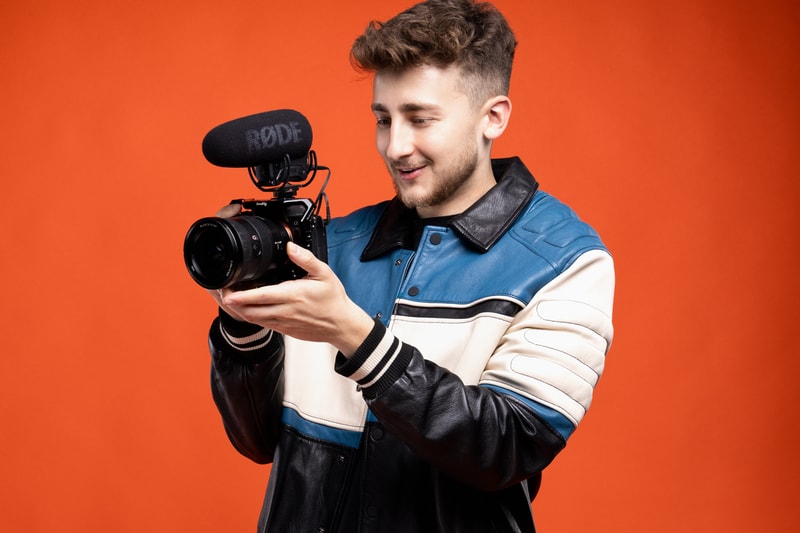
Content creator Brandon B has become a master of translating outlandish visual concepts into achievable productions. His YouTube channel, which boasts over 16 million subscribers, showcases videos that oscillate between elaborate sci-fi narratives and absurdist stunts, yet never lose their sense of tactile possibility. Whether staging a moon landing or transforming mundane objects into sentient characters, Brandon consistently demonstrates that cinematic spectacle doesn't require unlimited budgets or studio infrastructure.
His recent work with Adobe Firefly reveals the technical underpinning of this democratized approach to visual storytelling. The AI-assisted design tool allows creators to prototype ideas rapidly, iterate on concepts, and produce polished visuals without traditional production bottlenecks. For Brandon, Firefly serves as a creative accelerant rather than a replacement for human creativity. He uses the software to bridge the gap between imagination and execution, allowing his design vision to materialize in weeks rather than months.
This shift matters for the broader creator economy. As tools like Firefly become mainstream, the barrier between professional production houses and individual creators continues to dissolve. Brands increasingly recognize that Brandon's aesthetic, grounded in surrealism yet tempered by practicality, resonates with audiences fatigued by overly polished advertising. His work feels ambitious but achievable, which generates engagement and trust.
Brandon's influence extends beyond YouTube metrics. He represents a new archetype in visual culture where the creator serves as designer, director, and conceptual artist simultaneously. Fashion brands and tech companies court creators like him precisely because they understand how to make the impossible feel tangible. His videos function as proof of concept, showing audiences what becomes possible when creative constraints become creative catalysts.
The collaboration between Brandon and Adobe demonstrates how software companies are repositioning themselves as enablers of creator ambition rather than gatekeepers of professional tools. This shift reshapes expectations around visual