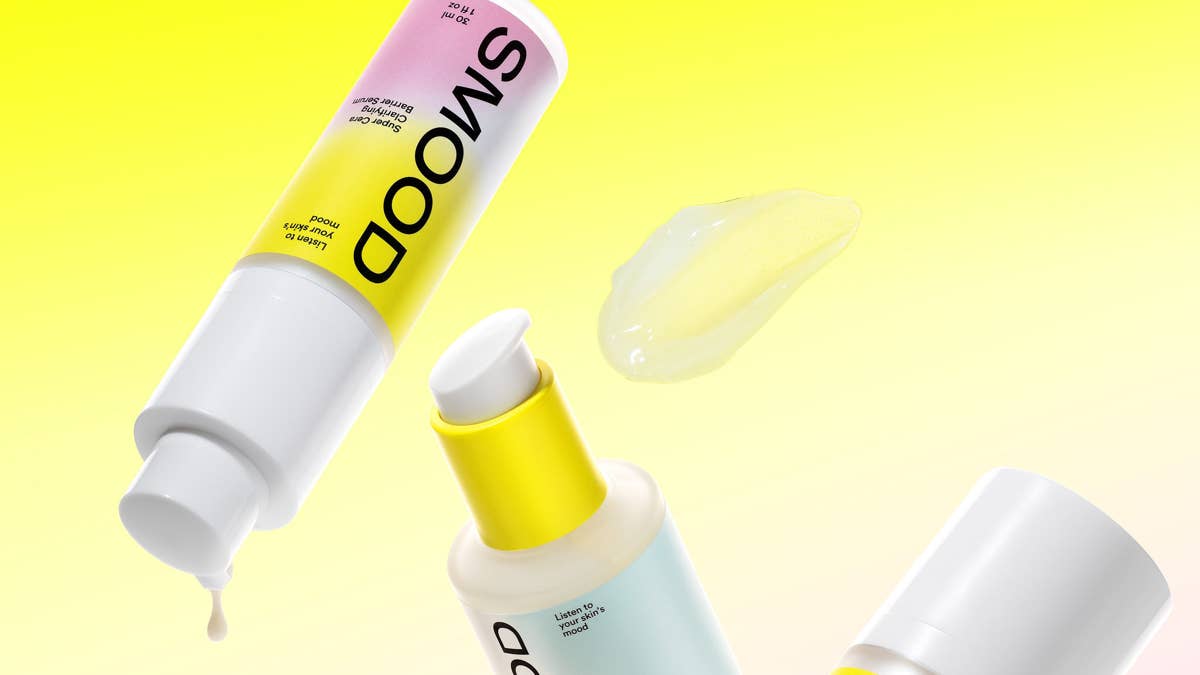
Andrew Lau built Smood Beauty from personal frustration. After a decade battling acne, the founder developed a skin-care line grounded in Korean formulation philosophy, emphasizing gentleness alongside efficacy.
The brand positions itself as approachable rather than clinical. Smood's naming convention reflects this philosophy. The word itself carries playful energy, signaling that acne treatment doesn't require suffering through harsh protocols or intimidating ingredient lists.
Korean beauty has dominated the prestige skin-care conversation for years, with brands like COSRX, Purito, and Isntree building loyal followings around layering products with digestible ingredient stories. Smood enters a market saturated with acne-focused competitors, from established players like Proactiv to newer entrants like Underworks and Dermalogica's adult acne line.
The differentiation hinges on tone and accessibility. Where many acne brands traffic in clinical severity or "problem skin" language that can feel alienating, Smood opts for friendliness. This reflects a broader industry shift toward de-stigmatizing acne and treating it as a common dermatological condition rather than a moral failing.
Lau's Korean inspiration makes sense. The Korean beauty industry normalized multi-step routines and ingredient transparency decades before American consumers demanded it. K-beauty prioritizes hydration and barrier health even within acne protocols, a philosophy that contrasts with older American approaches that relied on stripping and drying.
For a skin-care founder entering this space, having a personal acne history functions as both marketing asset and credibility marker. Consumers increasingly trust brands built by people who've lived with the problem they're solving. Smood capitalizes on this authenticity angle while tapping into the established prestige of Korean skin-care methodology.
The real test: whether Smood