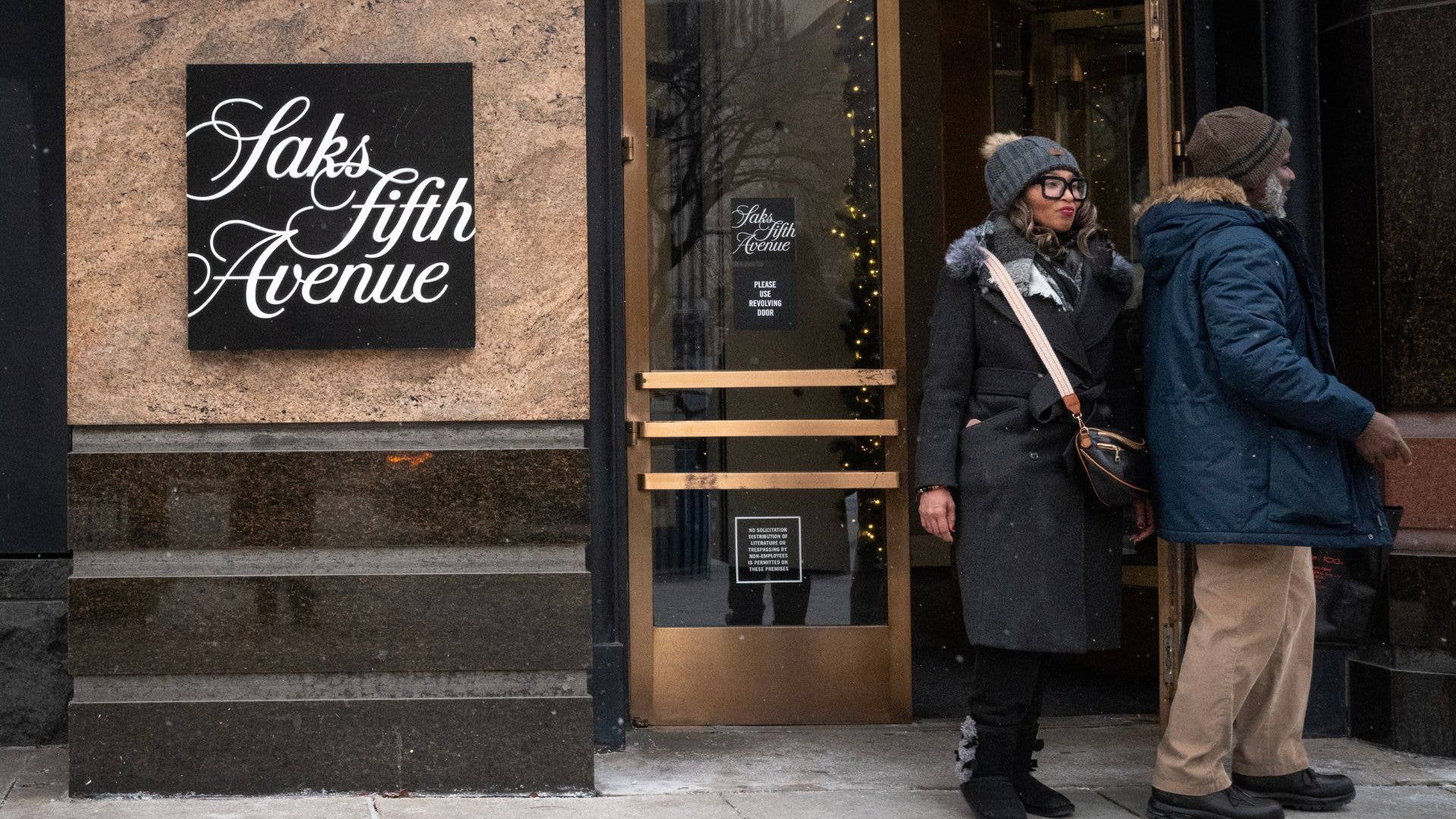
Saks Global emerged from bankruptcy protection after a federal court approved its restructuring plan, clearing the way for the luxury retailer to operate under new ownership and financial footing. The approval marks a pivotal moment for the century-old department store chain, which faced mounting pressures from shifting consumer spending habits and e-commerce competition.
Separately, The New School announced significant layoffs across its divisions, affecting staff in creative disciplines and administrative roles. The arts and design-focused institution has grappled with enrollment declines and budget constraints, forcing leadership to streamline operations. The cuts come as educational institutions across the country reassess staffing levels amid economic uncertainty.
In menswear publishing, specialized magazines are adopting fresh distribution and content strategies to capture reader attention in a fractured media landscape. Titles targeting male consumers experiment with digital-first approaches, premium subscription models, and partnerships with retailers and brands. The shift reflects broader industry recognition that traditional print advertising no longer sustains editorial operations alone.
These three developments underscore broader challenges rippling through fashion and creative sectors. Retail consolidation accelerates as legacy department stores navigate survival in omnichannel commerce. Educational institutions struggle to maintain enrollment and employment as design graduates face saturated job markets. Publishing outlets recalibrate their business models to extract value from increasingly niche audiences.
For the fashion industry, Saks Global's emergence signals continuity rather than transformation. The restructured company will operate familiar touchstones across North America, though ownership changes may influence merchandising strategies and brand partnerships. The New School's reductions could reshape design education pipelines, potentially affecting talent pipelines for luxury houses and emerging brands. Menswear magazines' strategic pivots demonstrate publishers' willingness to abandon legacy distribution entirely in pursuit of engaged, monetizable audiences. Collectively, these shifts reflect an industry in transition, where survival depends on operational efficiency, audience intimacy, and strategic focus.