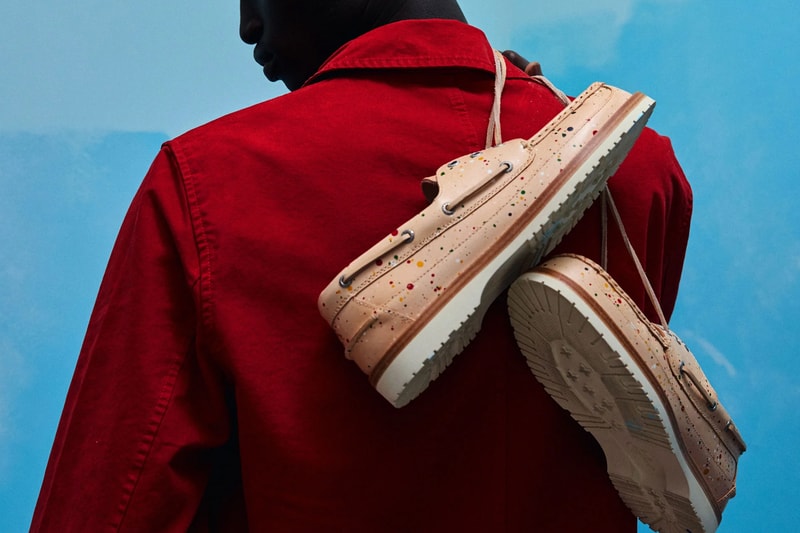
Sperry and Mifland collaborate on reimagined boat shoes that prioritize leather craftsmanship over aesthetic nostalgia. The partnership reworks two Sperry classics, the 3-Eye Mini Lug and Billfish, through Mifland founder Tobi Egberongbe's signature approach to color and material quality. Both silhouettes are designed to develop character through wear, with patina becoming a key feature rather than an afterthought.
The collaboration arrives as boat shoes experience sustained cultural relevance beyond retro revival cycles. Rather than leaning into heritage marketing, Sperry and Mifland focus on functional design that improves with age. Egberongbe's influence shapes the collection through meticulous leather selection and unexpected colorways that distinguish these versions from standard boat shoe offerings. The emphasis on aging gracefully reflects a broader industry shift away from disposable footwear toward investment pieces built for longevity.
Sperry's positioning within this collaboration matters. The 200-year-old brand maintains its status as America's boat shoe authority, yet younger consumers increasingly reject purely nostalgic narratives. Mifland, Egberongbe's contemporary leather goods label, brings credibility within design circles focused on material integrity and craftsmanship transparency. This pairing signals that heritage American brands can remain relevant by amplifying quality rather than merely recycling past aesthetics.
The shoes themselves serve practical purposes. Both silhouettes retain Sperry's core boat shoe DNA, including wave-gripping soles and water-ready construction, while Mifland's leather treatment elevates them into objects worth preserving. The patina element speaks to a customer base willing to pay premium prices for goods that reward regular use and demonstrate visible history.
This collaboration positions both brands within the current trajectory of American footwear, where authenticity stems from material