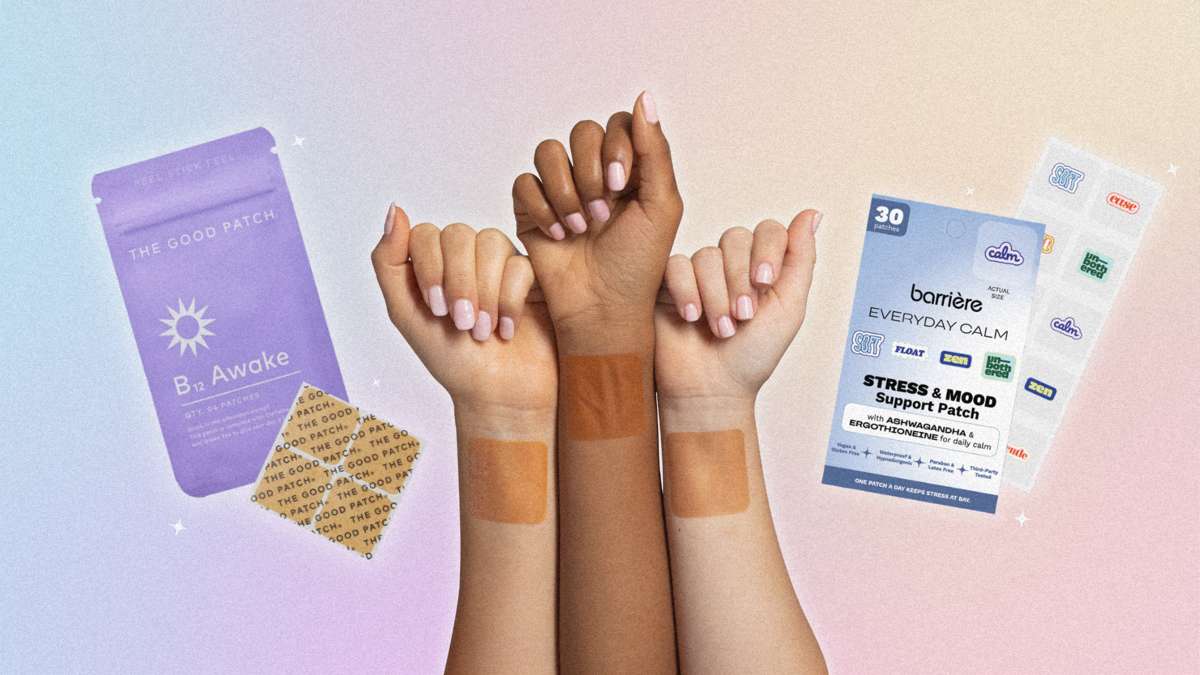
Transdermal wellness patches replace traditional supplement formats as the beauty and wellness industries pivot toward convenience-driven innovation. Brands leverage adhesive sticker technology to deliver vitamins, minerals, and botanical extracts directly through the skin, positioning patches as the sleek successor to gummy vitamins and capsules.
The shift reflects broader consumer demand for discrete, portable wellness solutions that integrate seamlessly into daily routines. Unlike gummies, patches eliminate digestive variables and offer consistent dosing without the sugar content or flavor fatigue. Companies market them as tech-forward alternatives that appeal to health-conscious consumers seeking efficiency.
Major beauty and wellness retailers now stock patches targeting specific concerns. Energy-boosting formulas compete alongside sleep aids, collagen patches, and immunity blends. The format attracts younger demographics who value novelty and Instagram-worthy packaging over traditional pill bottles.
However, scientific validation remains inconsistent. Dermatologists question whether active ingredients successfully penetrate the skin barrier in therapeutic quantities. The FDA classifies most patches as cosmetics rather than drugs, bypassing rigorous efficacy testing required for oral supplements. Studies on transdermal absorption vary widely depending on formula composition, application duration, and individual skin characteristics.
The trend mirrors the supplement industry's pattern of cycling through delivery formats. Gummies dominated the 2010s through 2020s, capturing market share from capsules and powders. Patches now represent the next frontier in packaging innovation, even as clinical evidence lags behind marketing claims.
Wellness brands capitalize on the format's novelty and visual appeal. Luxury beauty companies integrate patches into comprehensive supplement routines, charging premium prices for aesthetically minimal products. The category grows despite uncertain efficacy, driven by consumer psychology around convenience and contemporary design rather than conclusive scientific backing.
The patch category tests whether form can drive adoption when substance remains questionable. Early adopters embrace the format for its modernity.