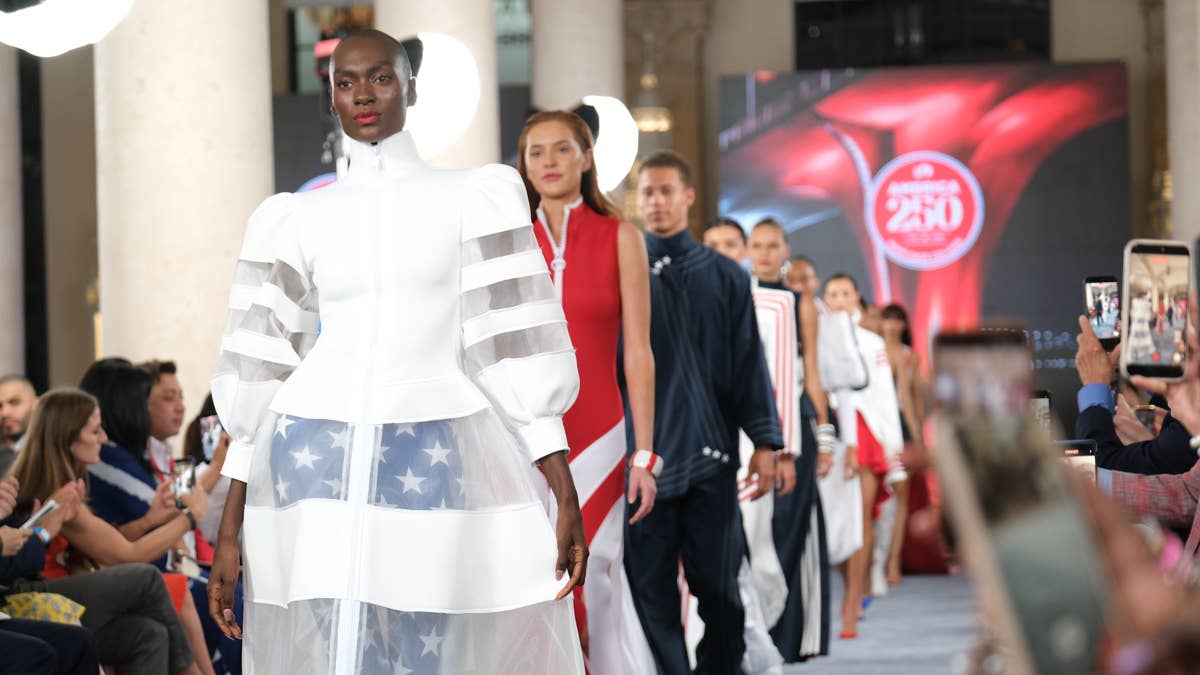
Miami Fashion Institute's 2026 graduate show delivered a diverse cross-section of emerging design talent, with the finale anchoring the collection presentations around America's semiquincentennial celebration. The student designers tackled everything from experimental silhouettes to sustainable fabrication, signaling the direction young design minds are taking as they enter the professional market.
Graduate shows function as the industry's talent pipeline. Schools like Miami Fashion Institute serve as launching pads for designers who will shape retail landscapes and luxury houses over the next decade. The 2026 cohort's work reflects current market preoccupations: gender-fluid tailoring, heritage craftsmanship, and responsible production methods appear throughout the presentations.
The patriotic finale, timed to the nation's 250-year milestone, offered thematic coherence without sacrificing individual designer voices. This approach demonstrates how emerging talent navigates between personal aesthetic vision and broader cultural moments, a skill essential for commercial success.
Graduation shows matter because they forecast trends before they hit department stores and designer showrooms. Established brands actively scout these events for fresh perspectives and hiring opportunities. The presentations also reveal how design schools prepare students for an industry grappling with supply chain transparency, digital design tools, and changing consumer expectations around fit and sustainability.
Miami's fashion education infrastructure has strengthened considerably, attracting both serious design students and industry mentors. The institute's location positions graduates for internships and entry-level roles across Latin American markets and the broader North American retail ecosystem, creating pathways that smaller regional schools cannot offer.
This generation of designers enters a market where direct-to-consumer brands and independent labels compete fiercely with established houses. The graduate show format itself has evolved, with many presentations now reaching global audiences through digital platforms, expanding the traditional gatekeeping that once limited discovery to industry insiders attending in person.