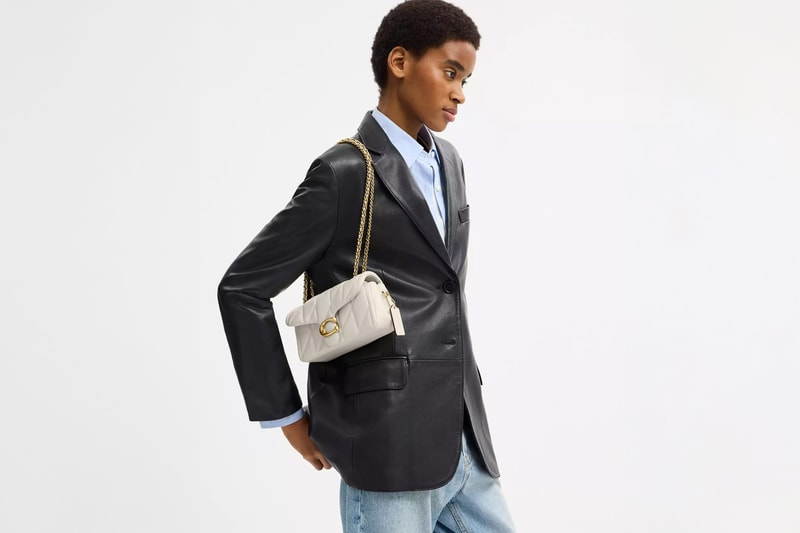
Coach repositions itself as the arbiter of contemporary personal style by acknowledging that modern dressing defies singular aesthetic commitments. Today's fashion consumer layers vintage references, quiet luxury codes, downtown practicality and Y2K nostalgia into a single outfit, and Coach's current bag lineup speaks directly to this fragmented approach.
The Tabby serves the fashion-forward dresser treating accessories as identity markers. The Brooklyn caters to effortless minimalists gravitating toward relaxed denim, loafers and understated basics. The Nolita 19 and Teri respond to the demand for versatility, merging polish with practicality. This strategy positions Coach bags as vessels for multiple styling iterations rather than singular statements.
The shift reflects broader luxury market dynamics. Consumers increasingly reject gatekeeping around "correct" ways to dress. A single bag must function across wardrobes that contradict themselves by design. Coach recognizes this by engineering pieces that operate across aesthetic registers, whether styled with vintage finds or contemporary minimalism.
This approach also counters the rise of category-specific luxury competitors. Rather than ceding territory to specialists, Coach expands its relevance by becoming the transitional player, the brand that understands how real people actually get dressed. The Tabby works with bold styling; the Brooklyn anchors understated looks. Both exist in one brand ecosystem.
Coach's strategy taps into a deeper cultural moment where eclecticism signals sophistication. The ability to synthesize opposing visual references separates intentional dressers from trend followers. By offering bags engineered for this layered approach, Coach positions itself not just as a manufacturer but as a style collaborator understanding how contemporary fashion actually functions.