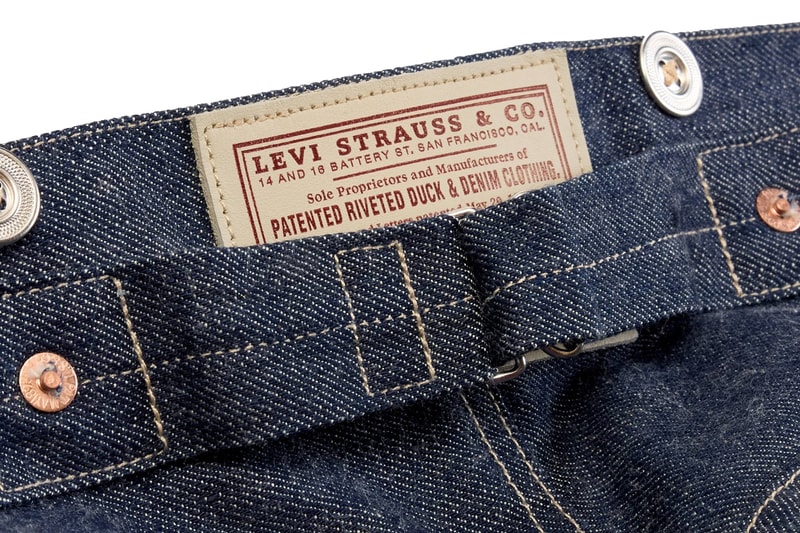
Levi's is excavating its deepest archives to release a faithful reproduction of the 1870 Nevada Jean, one of the oldest pieces in the company's collection. This stitch-for-stitch remake represents the direct structural ancestor to the legendary 501, cementing denim's lineage in American workwear history.
The Nevada design predates the 501 by decades, offering a window into how Levi Strauss and Jacob Davis engineered the foundational blueprint for modern jeans. The reproduction uses deadstock Cone Mills White Oak plain selvedge loomstate denim, the same mill that historically supplied Levi's raw materials. The garment ships crafted entirely in the USA, underscoring the brand's commitment to heritage production methods.
This release lands during 501 Day celebrations, following recent archival releases including the 1944 and 1937 501 iterations. Levi's has strategized its archive releases as premium positioning moves, tapping into the sneaker and vintage collecting mentality while validating the 501's cultural dominance. Each historical edition commands elevated price points justified by production rigor and historical authenticity.
The Nevada Jean's reintroduction speaks to a broader denim market shift toward transparency about origins and construction. Brands from Naked and Famous to Iron Heart have built followings through archive documentation and meticulous reproduction. Levi's, holding the ultimate institutional advantage, leverages actual originals to authenticate claims competitors cannot match.
The deadstock selvedge detail matters. Cone Mills' White Oak denim becomes rarer annually as production consolidates. Using archived fabric elevates scarcity beyond standard reproduction releases. Consumers increasingly scrutinize whether brands actually honor heritage or simply brand-wash nostalgia. Levi's possesses the documentation and physical inventory to prove authenticity.
This positions the Nevada