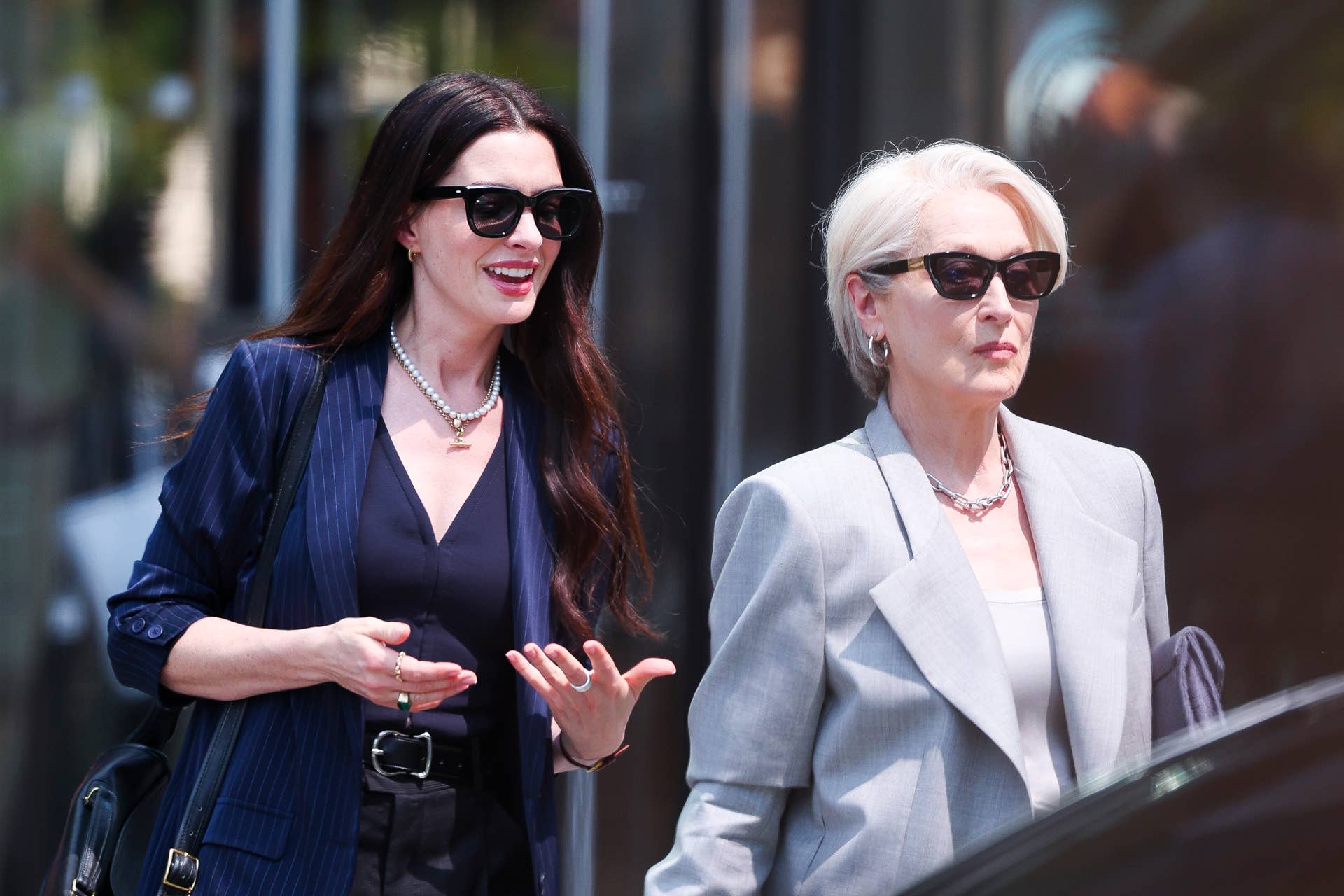
The Devil Wears Prada 2 presents a drastically different vision of fashion journalism than its predecessor. Where the 2006 original glamorized the magazine industry through Miranda Priestly's commanding presence and the thrill of high fashion gatekeeping, the sequel confronts a profession in crisis. Today's fashion editors navigate digital disruption, shrinking budgets, and the dissolution of print's once-untouchable authority.
Fashion journalists who came of age with the first film reflect on how the industry has transformed. The original captured an era when print magazines controlled taste, when attending Fashion Week meant genuine power, and when editors wielded influence like fashion's ruling class. That world no longer exists. The sequel's portrayal of exhausted editors scrambling to stay relevant mirrors a reality far removed from the aspirational fantasy that drew many into the field.
The new film depicts the collapse of traditional hierarchies. Social media influencers, TikTok creators, and brand partnerships have democratized fashion commentary. The fashion editor role, once synonymous with insider status and unquestionable authority, now competes for relevance against anyone with a camera phone. Miranda Priestly's office politics give way to algorithmic pressure and audience metrics.
For industry veterans, the sequel's bleaker tone registers as honest rather than romantic. The fantasy of climbing fashion's ladder through determination and impeccable taste has shifted. Today's newcomers enter a fragmented landscape where editorial prestige no longer guarantees career stability or cultural influence.
The Devil Wears Prada 2 essentially kills the glamorous mythology its predecessor created. It replaces runway ambition with a sobering portrait of an industry forced to adapt or perish. For aspiring fashion editors, the message lands differently now. The job offers intellectual engagement and cultural commentary, but no longer the promise of empire-building from a corner office. That loss haunts