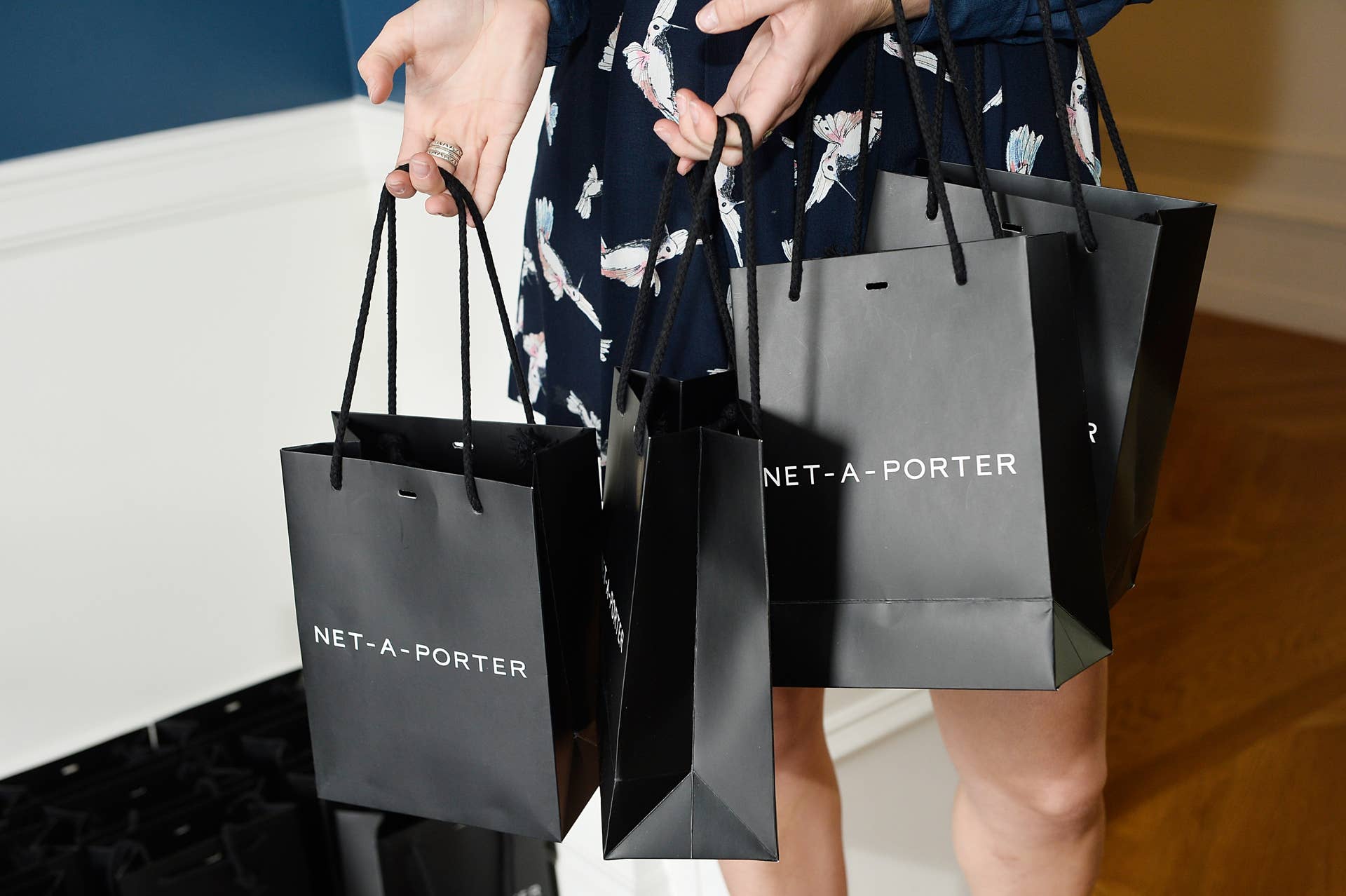
LuxExperience reported flat sales in Q3 2026, signaling cooling demand in the luxury sector after months of robust growth. The luxury e-commerce platform faced headwinds as consumer spending on high-end goods stabilized following pandemic-era splurging, marking a shift in purchasing patterns for the affluent demographic.
Meanwhile, TikTok Shop captured significant momentum in the small business sphere. U.S. small business sales surged 66 percent in 2025, demonstrating the short-form video platform's expanding role as a direct sales channel. This explosive growth underscores how independent brands and emerging designers leverage TikTok's commerce features to bypass traditional retail gatekeeping. The platform now functions as a legitimate sales infrastructure rivaling Amazon and Shopify for certain merchant categories.
The uptick reflects broader retail fragmentation. Gen Z consumers increasingly discover and purchase products through social feeds rather than search engines or department stores. Small fashion brands, jewelry makers, and accessories designers found particular success converting TikTok's engaged user base into paying customers.
Gap Inc. simultaneously announced a new chief executive for Banana Republic, its heritage casual wear brand. The leadership transition signals the parent company's pivot toward revitalizing the struggling banner after years of market share losses to fast-fashion competitors and direct-to-consumer upstarts. Banana Republic has underperformed within Gap's portfolio, and fresh leadership suggests a strategic reset focused on repositioning the brand for contemporary relevance.
These three developments illustrate fashion's bifurcated landscape. Luxury faces maturation and volatility as wealth consolidates. Small businesses thrive on democratized distribution through social platforms. Established heritage brands scramble for identity in an oversaturated market. Gap's leadership move attempts to recapture market share through renewed product focus and merchandising strategy, yet faces entrenched competition from brands that never existed a decade