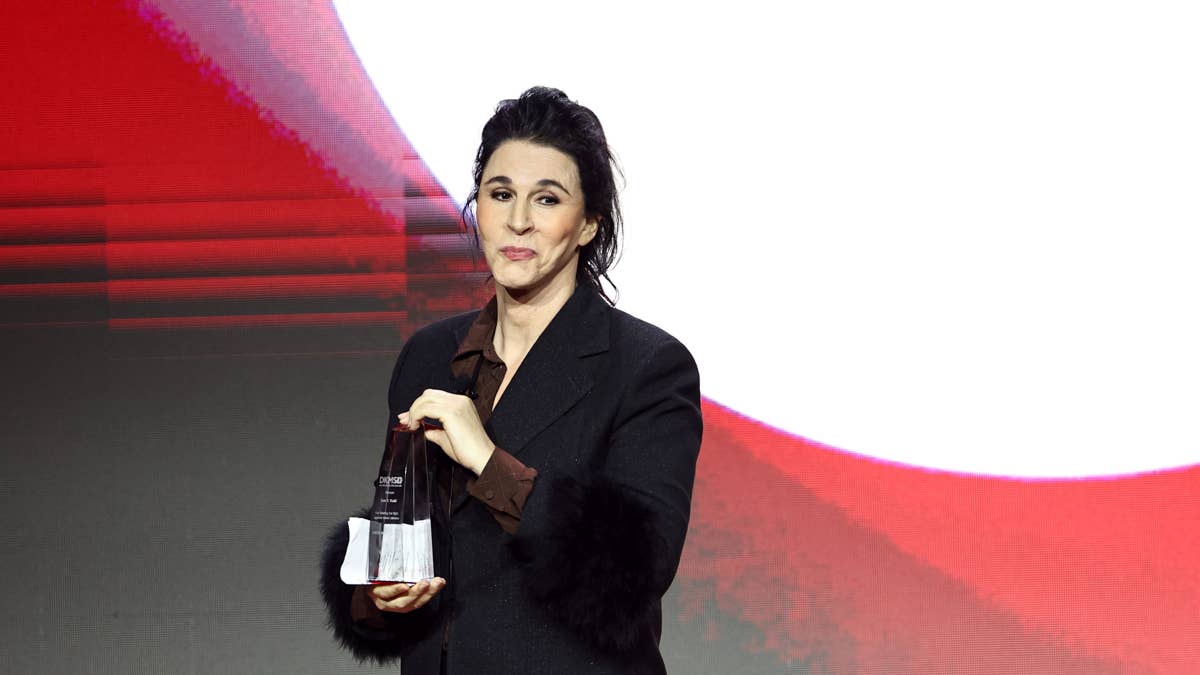
Beauty's C-suite commands serious compensation. The industry's highest-paid CEOs control major houses, with salaries and bonuses reflecting the sector's profitability. These executives steer billion-dollar operations across skincare, fragrance, and color cosmetics, navigating supply chain pressures and direct-to-consumer expansion.
Saks Fifth Avenue's global chief outlined recovery plans following the luxury retailer's bankruptcy restructuring. The strategy prioritizes omnichannel integration, vendor relationships, and regaining market share in a crowded luxury landscape. Saks competes against SSENSE, Farfetch, and brick-and-mortar rivals by leveraging its heritage while modernizing digital infrastructure.
The Shein versus Temu U.K. trial exposes fractures in fast-fashion supply chains. Both ultra-discount platforms face legal scrutiny over intellectual property violations and labor practices. The trial reveals how these retailers source inventory through fragmented networks spanning Southeast Asia and China, undercutting traditional wholesalers by orders of magnitude. Courts now examine whether these business models violate design protections and import regulations.
For the broader beauty sector, CEO compensation reflects consolidation trends. Estée Lauder, LVMH, Kering, and Richemont all employ leaders earning eight figures annually. Their pay packages reward stock performance tied to e-commerce growth and emerging market penetration. Beauty remains recession-resistant, with premiumization driving margins despite inflation headwinds.
Saks' post-bankruptcy moment matters because the retailer controls significant shelf space for beauty brands. Department stores still influence prestige cosmetics discovery, despite TikTok's influence on Gen Z purchasing. Saks must restore vendor confidence while competing against specialty retailers and direct-to-consumer brands selling beauty online at lower price points.
The Shein-Temu trial signals