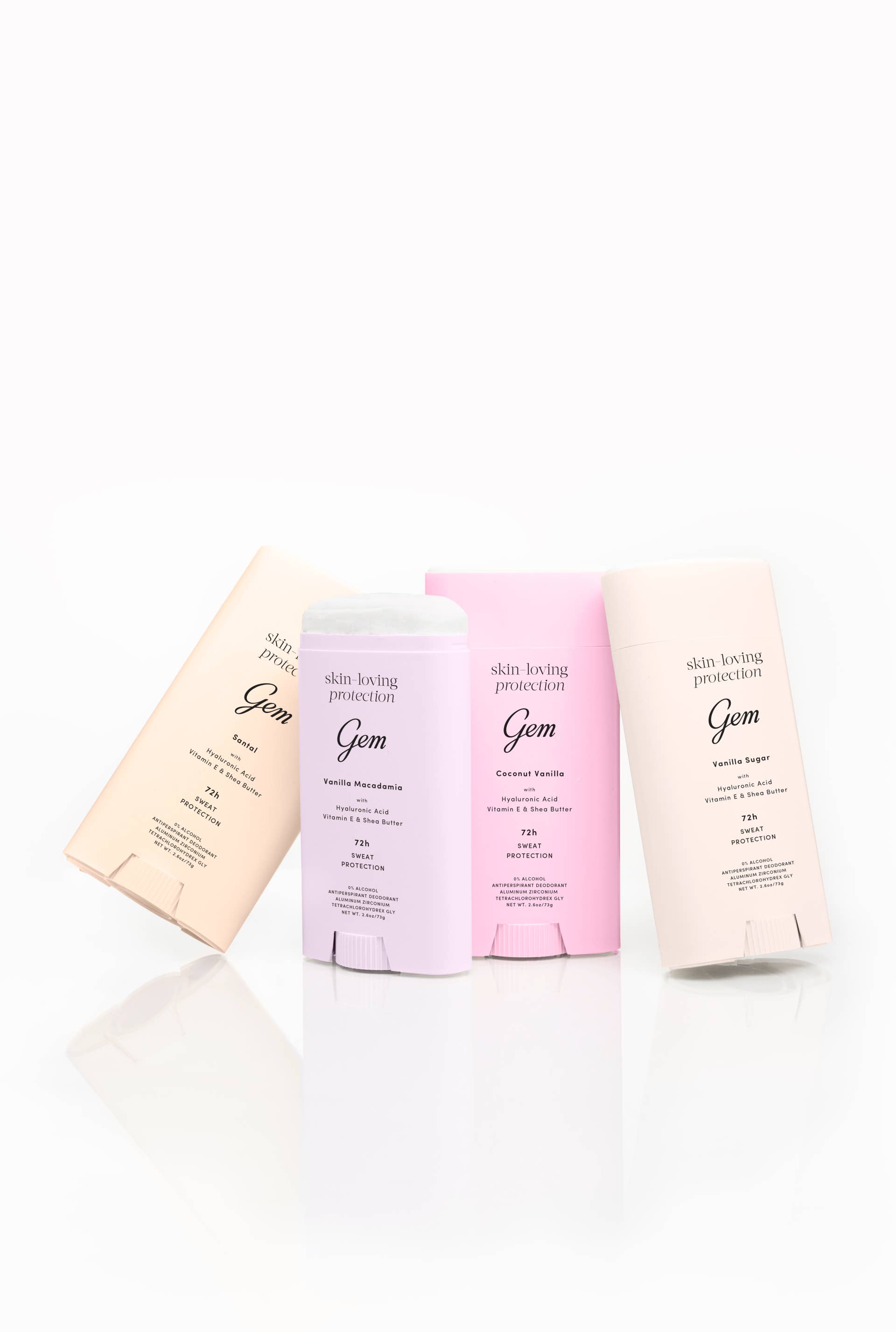
Gem, an Australian body-care brand, has expanded into American mass-market retail with its launch across Walmart stores nationwide. The brand repositions deodorant as a self-care ritual rather than a functional necessity, tapping into the wellness-driven consumer mindset that has reshaped beauty and personal care categories over the past five years.
The move into Walmart signals a shift in how indie beauty brands approach distribution. Instead of following the traditional path of building direct-to-consumer sales before pursuing prestige retail, Gem targets mainstream consumers seeking elevated body-care products at accessible price points. This strategy reflects broader retail dynamics where mass-market retailers increasingly stock products with premium positioning and clean-beauty credentials.
Gem's entry into the American market comes as deodorant categories experience renewed innovation. Brands like Native, Schmidt's, and Kopari have already transformed deodorant into lifestyle purchases by emphasizing natural ingredients, sustainable packaging, and sensorial experience. Gem joins this conversation with its Australian heritage, leveraging the regional association with natural beauty and wellness that has driven interest in brands like Aesop and Grown Alchemist.
The brand's framing of deodorant as self-care reflects consumer preferences for multifunctional products that blur lines between grooming and personal wellness. Body-care categories now compete on texture, fragrance complexity, and ingredient stories as much as performance. Walmart's willingness to stock such products demonstrates that mass-market retailers recognize this shift and are adjusting their assortments accordingly.
For Gem, the Walmart partnership represents significant exposure to mainstream consumers who may not shop indie beauty channels but seek alternatives to conventional personal care. The scale of Walmart's footprint transforms Gem from a niche Australian import into a nationally available brand, accelerating its path to recognition in a competitive deodorant market where differentiation increasingly depends on positioning rather than basic effic