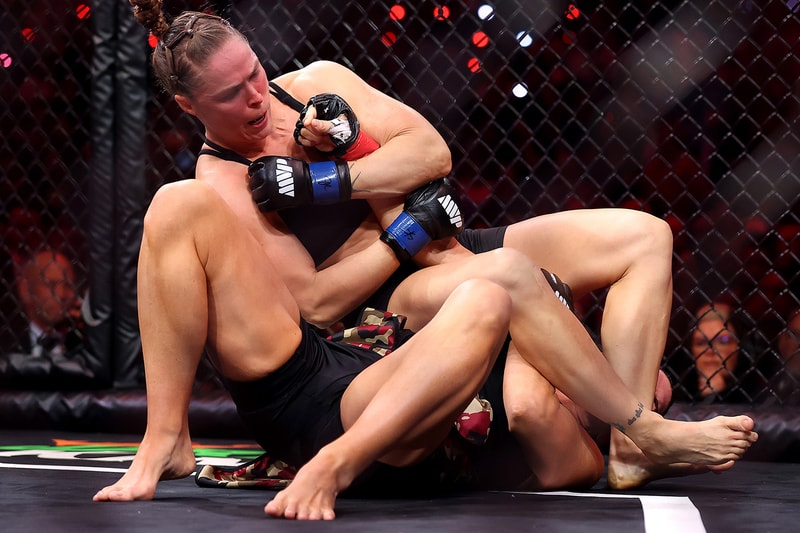
Ronda Rousey's MMA comeback lasted 17 seconds. The former UFC champion submitted Gina Carano via armbar at MVP MMA 1, a Netflix-streamed event that marks a watershed moment for combat sports streaming. Rousey landed one of two total strikes before locking in the finish at featherweight (145 pounds), delivering exactly the dominance fans expected from her return.
The match lived up to its hype as pure spectacle. Both Rousey and Carano shaped women's MMA in its infancy, and their collision carried narrative weight beyond the cage. Netflix's decision to bankroll the event through Most Valuable Promotions signals the streaming platform's aggressive expansion into live sports. With 325 million global subscribers gaining access to combat sports at no premium cost, this fight becomes a watershed moment for how major platforms approach sports broadcasting.
The speed of the finish matters strategically. Rousey's armbar submission remains one of MMA's most efficient weapons, and her technical execution against a seasoned opponent like Carano sent a message. Carano, despite limited recent fight activity, brought credibility as a legitimate opponent rather than a cherry-picked comeback foe. The fact that Rousey dispatched her in under a minute reinforces her standing as one of the sport's most lethal talents.
MVP's partnership with Netflix reshapes combat sports economics. Traditional MMA organizations like the UFC have long controlled fighter distribution through cable and streaming paywalls. By offering major fights to Netflix's massive free audience, MVP disrupts that model entirely. The event becomes appointment television for casual viewers who might never purchase a pay-per-view.
Rousey's 17-second return establishes momentum for both her and the MVP promotion. The featherweight division gains visibility, and Netflix gains demonstrated success in sports content that drives