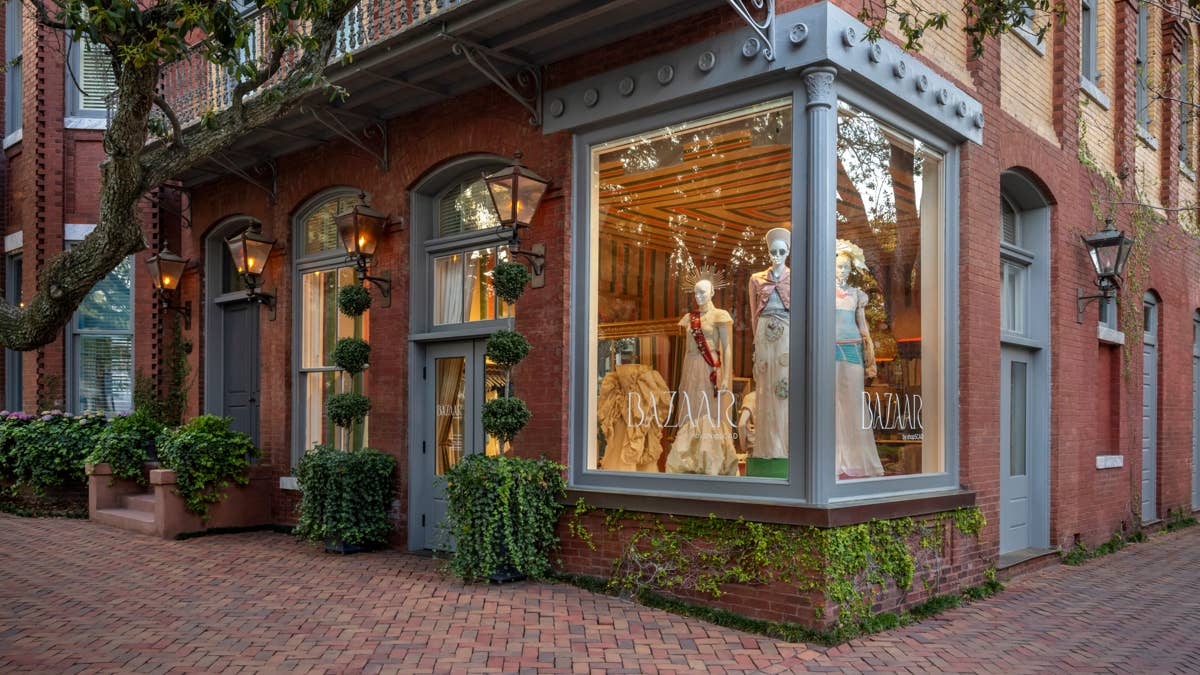
The Savannah College of Art and Design has opened a luxury boutique that elevates student design work to retail prominence. The store stocks pieces from current SCAD students alongside collections from notable alumni, including Kate Barton and Christopher John Rogers, both established names in contemporary fashion.
This retail venture represents a shift in how design schools position emerging talent. Rather than relegating student work to academic showcases or end-of-year shows, SCAD's boutique treats undergraduate and graduate designers as market-ready producers. The decision to shelve them beside alumni who have already secured industry positions sends a clear message about institutional confidence in the next generation's commercial viability.
Kate Barton, known for her structured silhouettes and refined construction, and Christopher John Rogers, celebrated for his bold color palettes and inclusive sizing approach, demonstrate the caliber of designers the institution produces. Their presence in the boutique creates an aspirational through-line for current SCAD students, many of whom view alumni success as a roadmap for their own careers.
The boutique model also serves SCAD's broader institutional strategy. Design schools increasingly face pressure to prove career outcomes and industry relevance. A retail space that successfully moves student inventory validates the curriculum and provides real-world sales data that feeds back into design education. Students gain direct consumer feedback rather than relying on classroom critiques alone.
This approach contrasts with traditional fashion incubators or pop-ups, which often feel temporary and experimental. A permanent boutique signals permanence and professional legitimacy. It positions SCAD not merely as an educational institution but as a tastemaker with retail authority.
The boutique also acknowledges a market reality: luxury consumers increasingly seek emerging voices and limited-production pieces. Student designers offer exactly that. Their work carries the cachet of institutional backing without the price premium of established brands. For SCAD, the boutique becomes both a marketplace