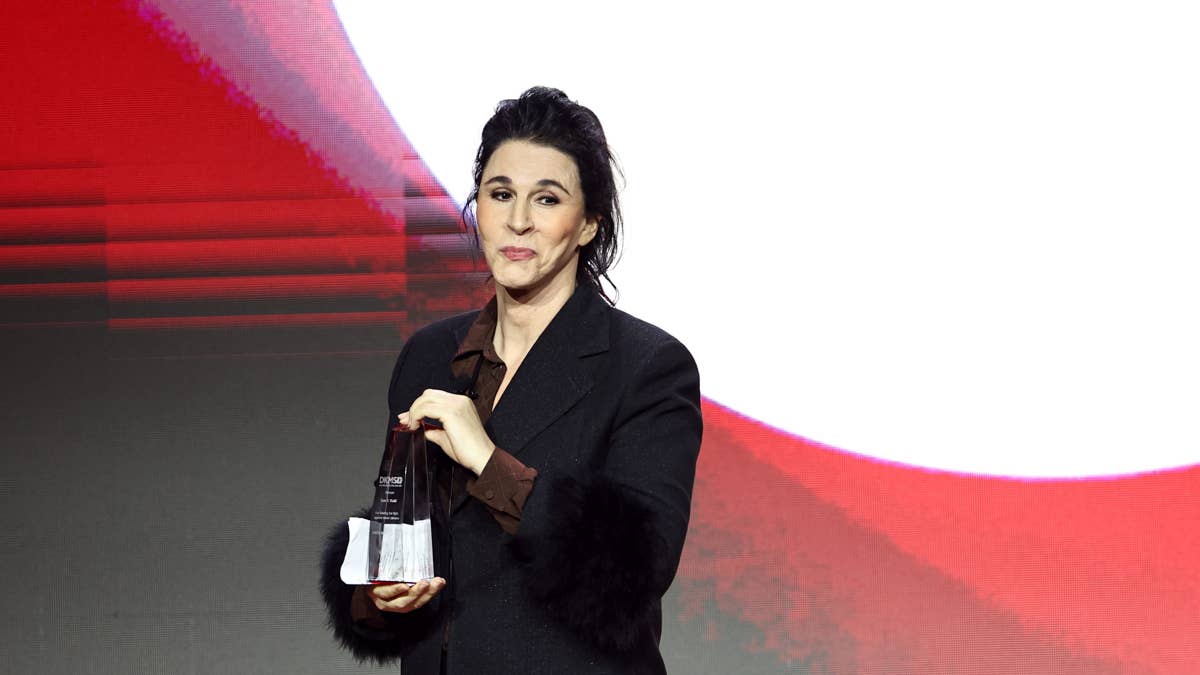
Luxury retail leadership faces mounting pressure to deliver returns as the beauty and fashion sectors navigate post-pandemic economics and shifting consumer behavior. Saks Fifth Avenue's CEO outlined recovery strategies following the retailer's emergence from bankruptcy, emphasizing omnichannel integration and premium positioning in a fragmented luxury market.
The beauty industry's top executives command substantial compensation packages, reflecting the sector's resilience and profitability despite broader retail challenges. These leaders steer billion-dollar enterprises through competitive pressures from direct-to-consumer brands and international expansion demands.
Saks' bankruptcy restructuring redirected focus toward high-net-worth customers and exclusive designer partnerships. The strategy leverages the retailer's heritage brand positioning against aggressive e-commerce competitors like SSENSE and Farfetch. Post-emergence operations emphasize curated assortment and experiential retail concepts designed to justify premium pricing in an increasingly digital marketplace.
The trial between Shein and Temu in the U.K. exposed vulnerabilities in fast-fashion supply chains, revealing how ultra-low-cost retailers source inventory through fragmented manufacturing networks. Testimony highlighted labor practices and intellectual property concerns that plague the sector's bottom tier. This legal battle underscores regulatory scrutiny intensifying around transparency in global apparel supply chains.
Beauty executives navigate different terrain. Cosmetics companies command pricing power unavailable to fashion retailers, though they face supply chain pressures identical to apparel makers. CEO compensation reflects this leverage, with top earners at major houses pulling multi-million-dollar packages tied to quarterly performance metrics.
The Shein-Temu case reverberates beyond the defendants. U.K. regulations now demand greater accountability from retailers regarding manufacturing origins and labor standards. This creates competitive advantage for established luxury players with transparent supplier relationships, though compliance costs burden mid-market brands most severely.
Saks' recovery depends on capturing discretionary spending