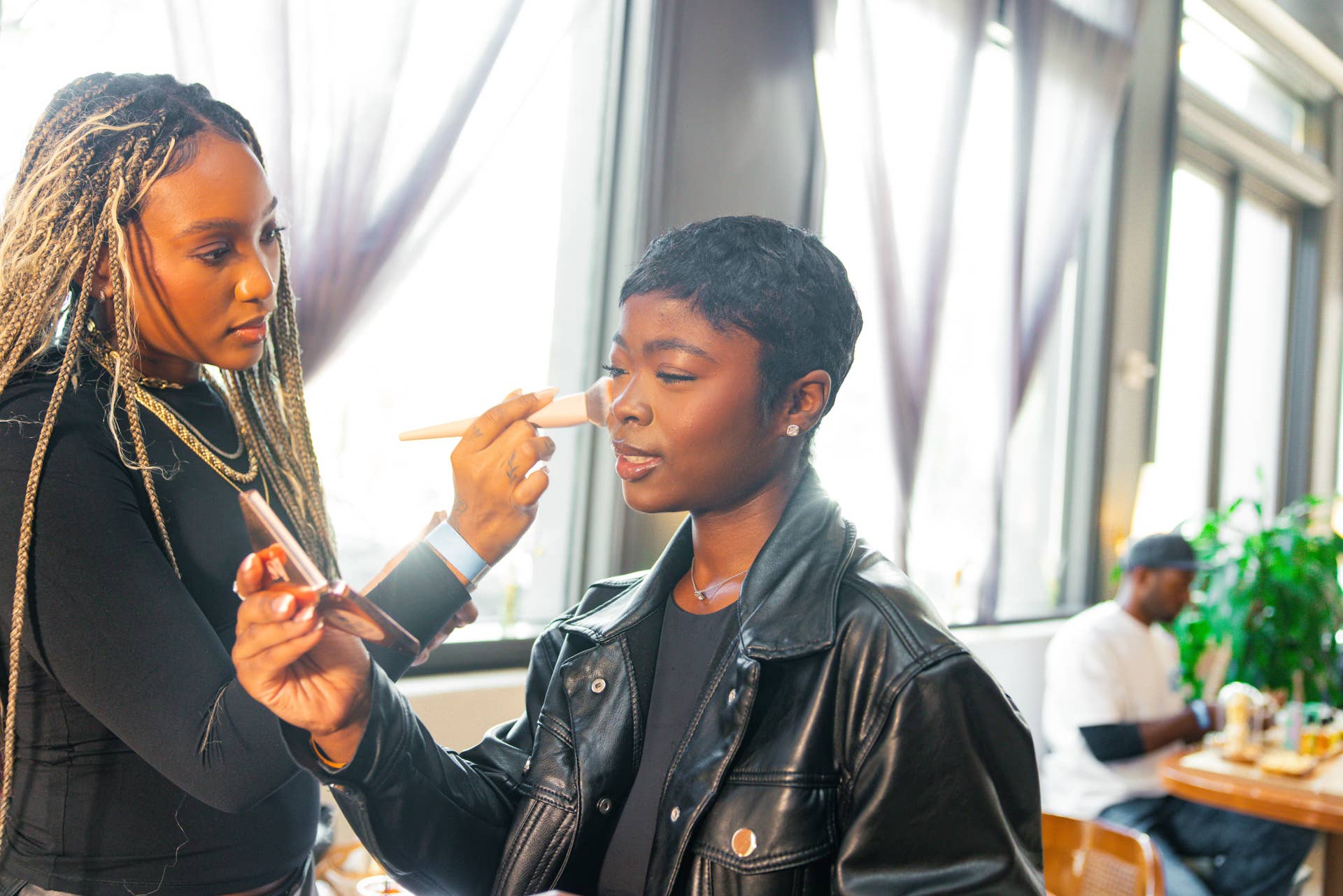
The Black Beauty Club debuts Beauty on the Block, a hybrid commerce and cultural event designed to reshape how consumers discover and shop for beauty products from Black-owned brands. The initiative transforms a traditional block party into a curated marketplace where community engagement drives purchasing decisions.
The event model positions The Black Beauty Club as more than a discovery platform. It creates physical spaces where Black beauty entrepreneurs can reach customers directly, bypassing traditional retail gatekeeping. Beauty on the Block merges cultural programming, live demonstrations, and social moments with transactional opportunity. Attendees browse products, attend educational sessions, and connect with brand founders in real time.
This strategy responds to a market reality. Black-owned beauty brands generate significant revenue yet face disproportionate barriers to shelf space and distribution. Department stores and major retailers remain gatekeepers. Direct-to-consumer models help, but in-person community events build trust and loyalty that digital channels struggle to replicate.
The block party format carries cultural weight. It signals accessibility and celebration rather than exclusivity or commercialism. Attendees participate in a community event that happens to include shopping, rather than entering a sterile retail environment. This distinction matters for brand loyalty and repeat engagement.
The Black Beauty Club's move into experiential retail reflects broader industry shifts. Brands increasingly reject traditional wholesale models. Pop-ups, markets, and community-hosted events democratize discovery. Consumers want authenticity and direct relationships with founders. They crave spaces that honor cultural identity while offering genuine product value.
Beauty on the Block positions The Black Beauty Club as an infrastructure builder for an underserved market. Rather than simply curating online lists, the organization now facilitates physical commerce infrastructure. This moves the needle on systemic inequities in beauty retail. Black beauty entrepreneurs gain access to engaged audiences. Consumers gain transparent access to innovation happening within their communities.
The event model proves repeatable and scalable. Success in one