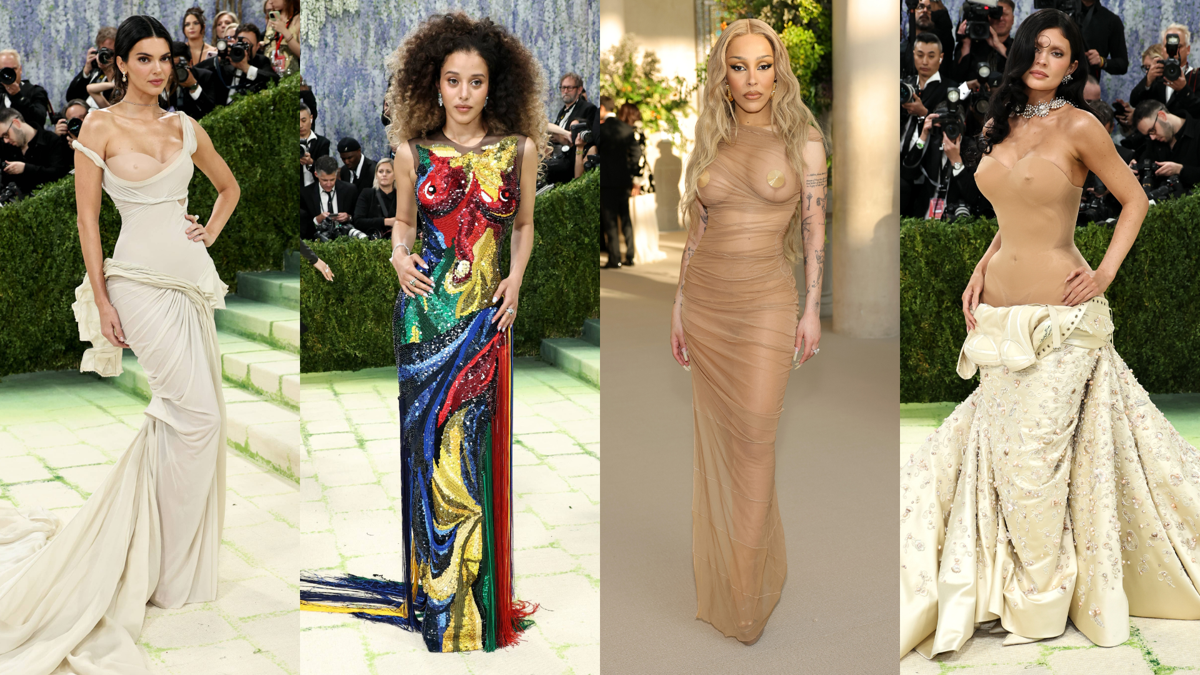
The 2026 Met Gala became a canvas for chest-forward design statements, with attendees embracing trompe-l'oeil renderings of breasts, sculpted bust-shaped bodices, and provocative artistic interpretations of the torso. The theme encouraged designers to push boundaries through body-positive fashion that celebrated the chest as both an artistic and sensual subject.
Designers deployed illusion techniques across the red carpet, creating optical effects that blurred the line between body and garment. Moulded silhouettes dominated, with bust-centric architecture becoming the focal point of numerous looks. The approach reflected broader shifts in fashion toward reclaiming nudity as art rather than taboo, echoing conversations sparked by designers like Schiaparelli and indie brands that have increasingly normalized breast imagery in haute couture.
The evening underscored how the Met Gala continues to function as a testing ground for provocative aesthetics that filter into mainstream fashion. Rather than shock for its own sake, the nipple-forward designs engaged with art historical precedent—referencing classical sculpture, surrealism, and contemporary body art movements. Attendees interpreted the brief through varied lenses, from subtle trompe-l'oeil effects to more confrontational sculptural pieces that transformed the chest into wearable sculpture.
This direction represents fashion's continued evolution toward transparency and body acceptance. Designers have gradually dismantled arbitrary censorship around the female form, replacing prudishness with intellectual engagement. The 2026 Met Gala cemented this trajectory, proving that strategic nudity and artistic reinterpretation of anatomy remain powerful tools for conversation rather than mere provocation.
The collective red carpet moment demonstrated that fashion's relationship with the body continues expanding beyond traditional boundaries, establishing precedent for how luxury designers will continue engaging with bodily representation in seasons ahead.