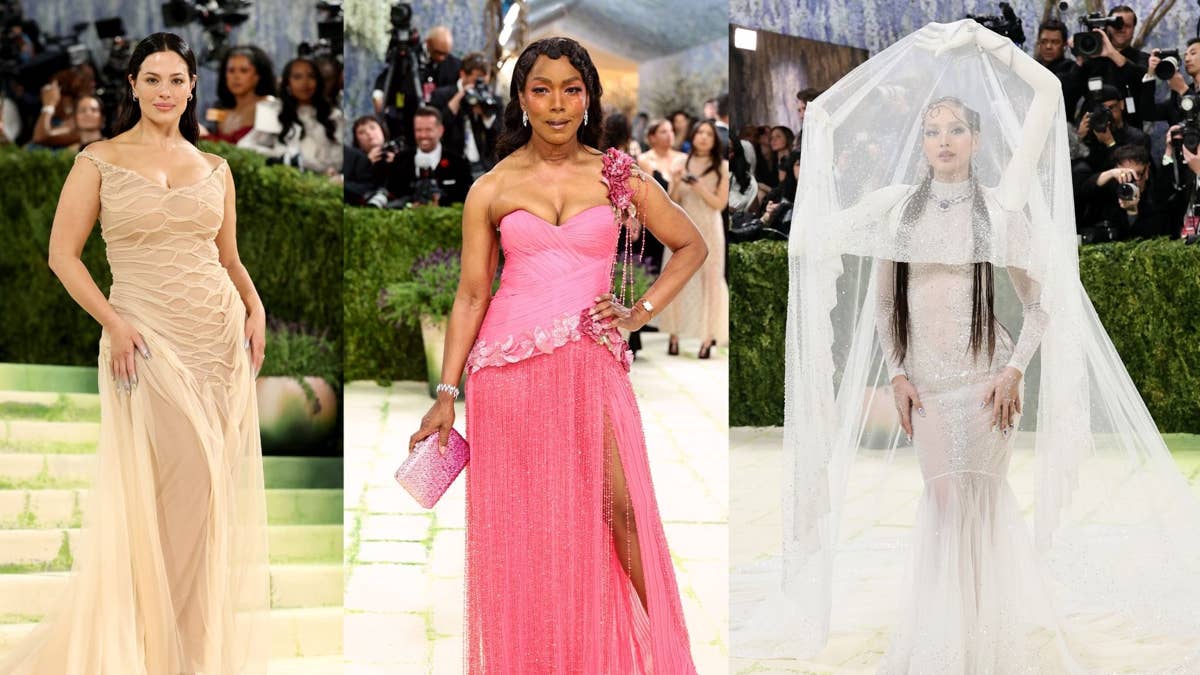
Indie designers seized the spotlight at the 2026 Met Gala, delivering some of the evening's most compelling red carpet moments while staying true to the official theme. The shift marks a notable departure from the gala's traditional reliance on established luxury houses, signaling growing curatorial interest in emerging talent.
The independent design community brought fresh perspectives and innovative execution to the carpet. These smaller studios, often operating with limited resources compared to LVMH and Kering powerhouses, demonstrated technical precision and thematic coherence that rivaled their mega-brand counterparts. Their pieces stood out for conceptual clarity and craft specificity rather than celebrity name recognition alone.
This visibility matters for the broader fashion ecosystem. The Met Gala functions as a cultural validator, and featuring indie designers on its red carpet legitimizes emerging voices within the industry's institutional hierarchy. Attendees wore these smaller collections with conviction, treating them as equal to the haute couture installations typically dominating the event.
The timing reflects larger industry conversations about diversification and gatekeeping. As social media democratizes fashion discovery, the pressure to feature only established names diminishes. Independent designers increasingly attract loyal followings and critical acclaim through direct-to-consumer channels and Instagram momentum, making them viable alternatives to traditional luxury.
For these emerging designers, gala placement translates to tangible opportunity. Coverage, retail partnerships, and client acquisition follow high-profile red carpet moments. Several independents who dressed attendees reported immediate inquiries from stockists and private clients following their gala appearances.
The 2026 moment suggests the Met Gala's curatorial lens continues expanding beyond legacy luxury hierarchies. Whether this becomes sustained programming or a one-off experiment remains to be seen. Regardless, indie designers proved they belong on fashion's most scrutinized stage, crafting conversations around artistry and vision rather than brand heritage alone.