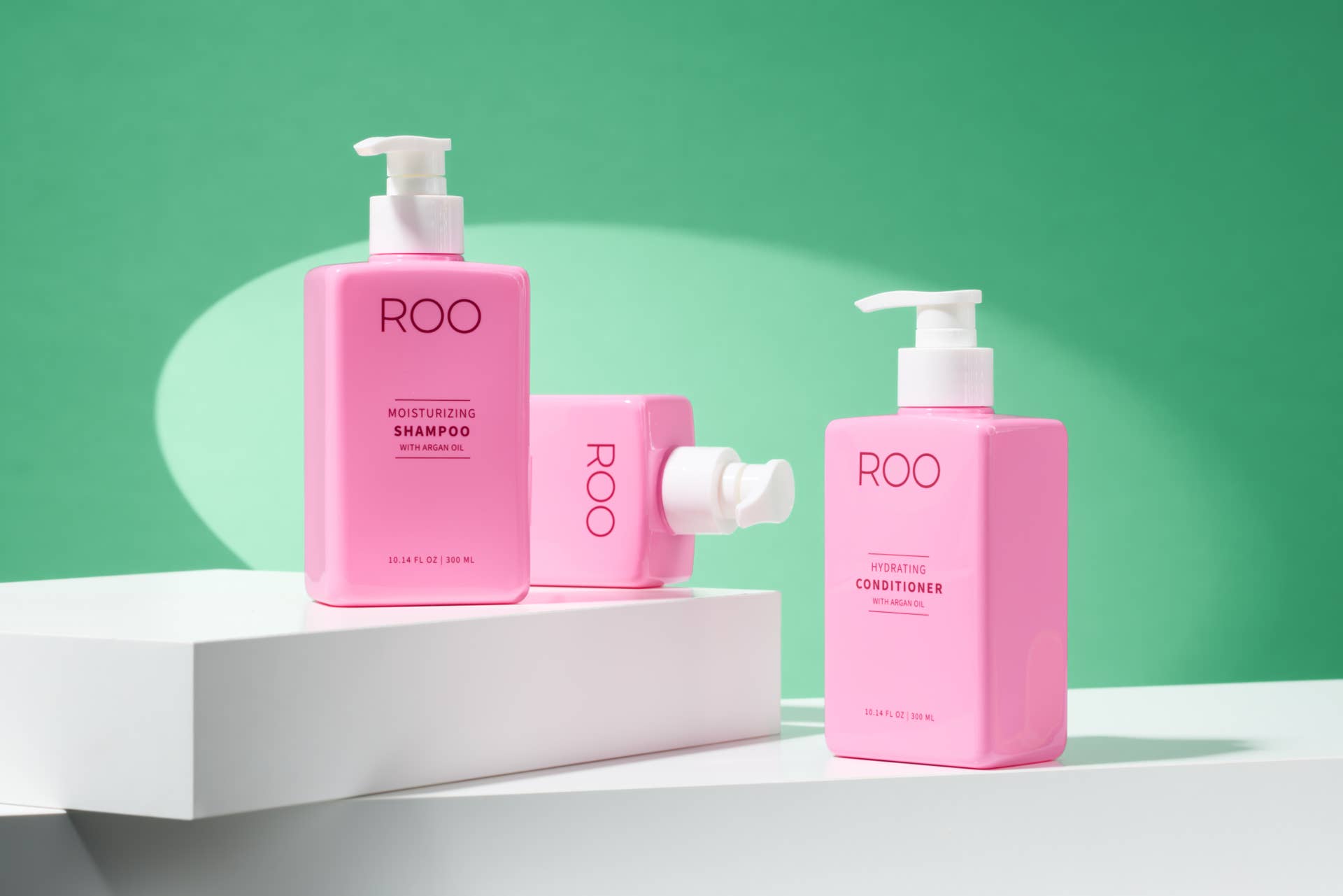
Roo Haircare launches with a mission to serve textured hair through a science-backed approach. The brand founder, a public health scientist, brings rigor to formulation rather than marketing hype. The product line emphasizes transparency, listing every ingredient on packaging and digital platforms.
Rice protein anchors the moisturizing strategy, delivering protein that reinforces hair structure. Botanical ingredients like lavender, rosemary, and ginseng address scalp health and growth support. This herbalist-meets-laboratory approach reflects growing consumer demand for clean beauty that actually performs.
The founder's public health background shapes Roo's ethos around access and efficacy. Textured hair has long faced product deserts, with formulas designed for straight hair dominating shelves. Roo corrects this by centering curl patterns, coils, and waves in R&D from day one.
Ingredient transparency marks a departure from the haircare industry's opacity. Brands often hide formulations behind proprietary claims. Roo inverts this, treating ingredient disclosure as competitive advantage. Consumers can verify claims against scientific literature rather than trust marketing language alone.
The launch arrives as textured haircare accelerates beyond niche status. Brands like Pattern and SheaMoisture have proven commercial viability. Yet most still prioritize volume and price over transparency. Roo positions itself at the intersection of clean ingredients, scientific validity, and textured-hair expertise.
Distribution strategy remains crucial. Direct-to-consumer models eliminate retail markup and preserve brand control. This allows Roo to maintain ingredient integrity without pressure to cheapen formulas for margin. The founder's scientific credentials become selling point, differentiating Roo from influencer-driven beauty launches flooding the market.
Textured hair remains vastly underserved despite demographic shifts in the U.S. Roo addresses a genuine gap