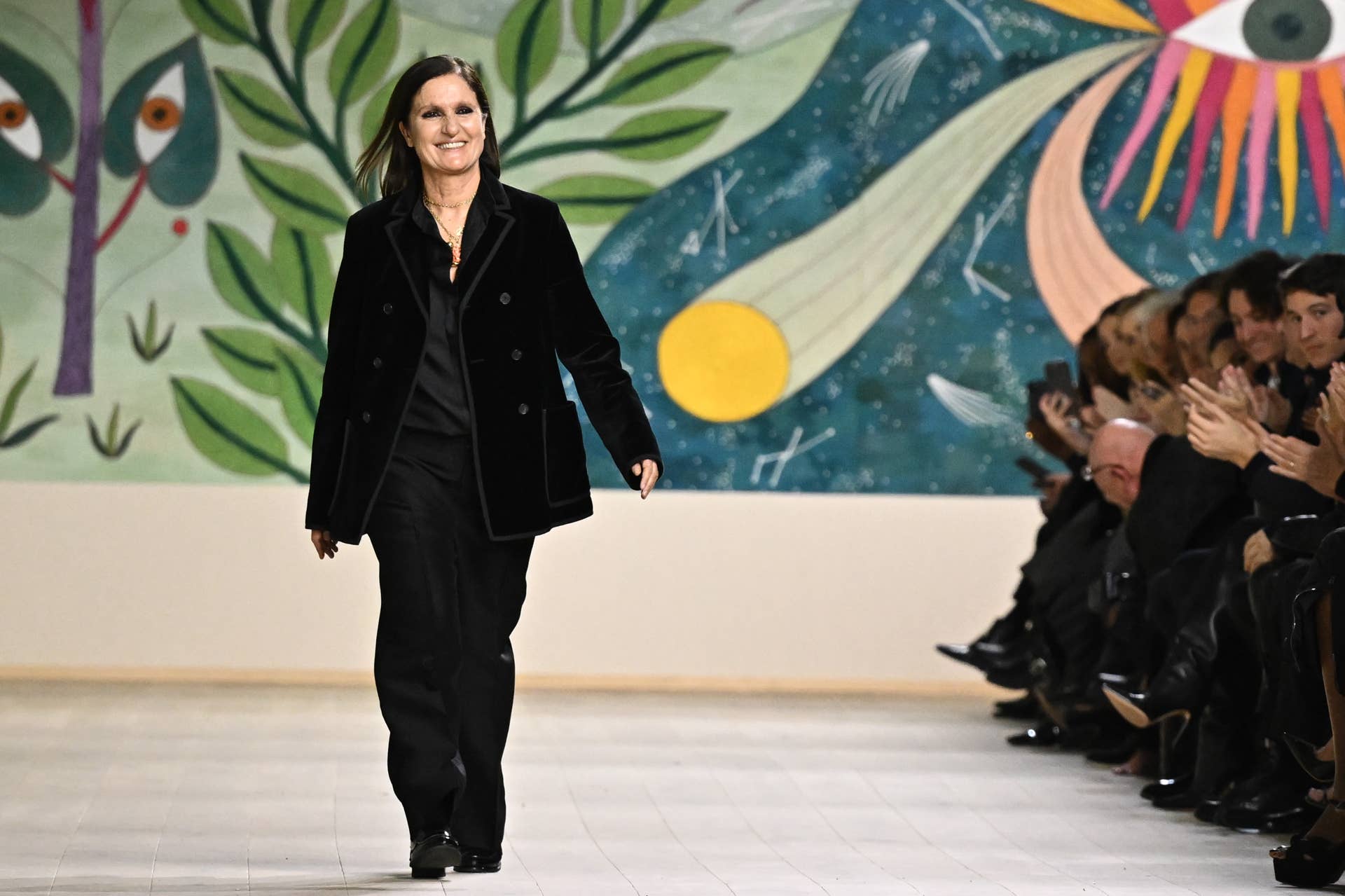
Maria Grazia Chiuri makes her formal debut as Dior's former creative director in a calculated power move. She takes the helm at Fendi, presenting her first couture collection in Rome rather than Milan or Paris, a symbolic choice that anchors the house to its Italian heritage. The decision signals Fendi's commitment to rooting itself in Roman identity while leveraging Chiuri's reputation for narrative-driven design and feminist perspective.
Meanwhile, Ganni's CEO departure marks internal turbulence at the Copenhagen-based brand. The exit comes as luxury and contemporary labels face investor pressure and shifting consumer demand. Ganni, known for accessible luxury and sustainability marketing, has navigated competitive pressures from both fast fashion and premium houses.
On the investment front, Vinted's $9.4 billion valuation reflects the resale market's explosive growth. The Lithuanian secondhand platform becomes a unicorn on the backs of Gen Z demand for pre-owned luxury and sustainable shopping alternatives. This valuation surge underscores how resale now competes directly with traditional retail, forcing legacy brands to reckon with circular fashion models.
These three moves reveal the industry's recalibration. Chiuri's Fendi appointment reinforces the prestige of heritage houses seeking creative authority and cultural gravitas. The Ganni leadership shift exposes pressure on mid-market players caught between luxury aspirations and mass-market competition. Vinted's valuation demonstrates that resale infrastructure now commands serious capital, reshaping how brands think about product lifecycle and customer acquisition.
The week crystallizes fashion's ongoing structural shift: heritage houses doubling down on auteur designers, established brands struggling with scale and positioning, and technology platforms capturing unprecedented value in the secondary market.
THE BOTTOM LINE: The industry rewards heritage authority, punishes ambiguity, and monetizes what consumers own after they buy it.
CATEGORY