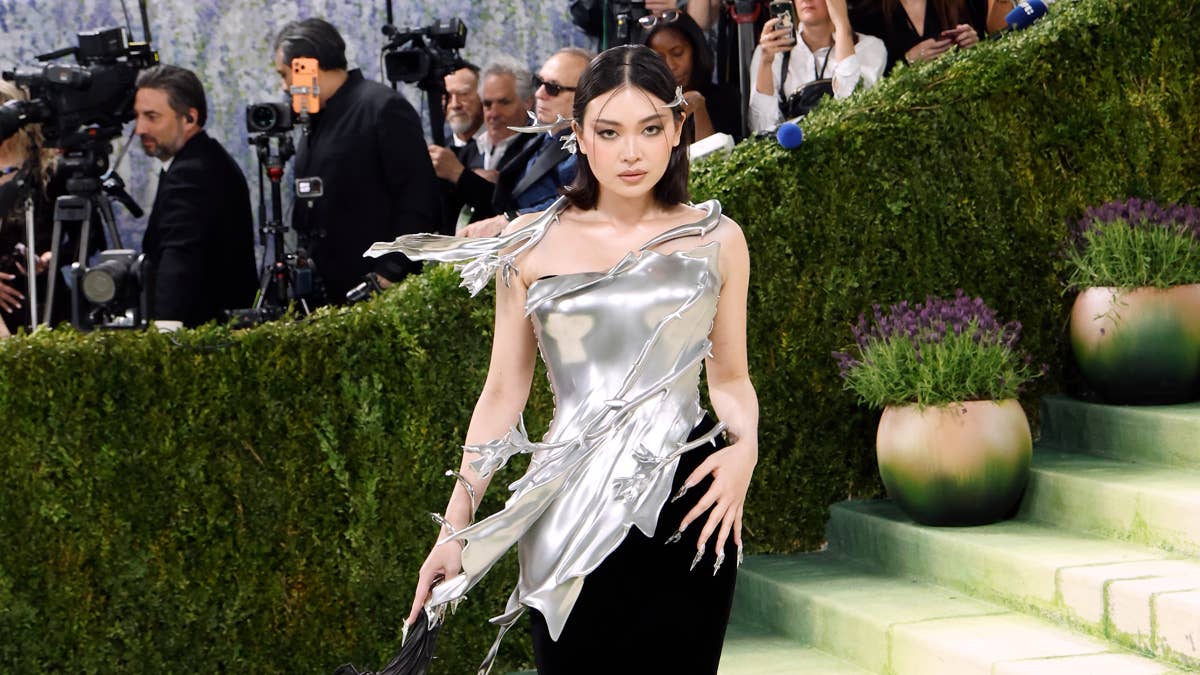
Grace Ling, the New York-based independent designer, prepares for the Met Gala with the precision of someone navigating fashion's most exclusive stage. Unlike designers backed by major conglomerates, Ling operates outside the traditional luxury infrastructure, relying on her team and resources to execute one of the year's highest-stakes events.
The Met Gala represents a career inflection point for independent designers. Access to the event remains gatekept by Anna Wintour's Vogue, which determines who designs and who attends. For emerging talent like Ling, securing a spot means visibility beyond Instagram and runway shows. One gala appearance can shift a designer's trajectory from emerging to established.
Ling's preparation likely involves balancing creative vision with practical constraints. Independent designers lack the sample rooms and production networks that LVMH, Kering, and Hermès maintain. Every element, from fabric sourcing to garment construction, falls on smaller teams. The pressure intensifies at the Met, where celebrities and editors expect flawless execution under intense scrutiny.
The gala's annual theme shapes Ling's approach. Whether designing for a client attending or presenting her own collection, the theme dictates silhouette, material, and conceptual direction. Independent designers often leverage the gala as a storytelling moment, infusing pieces with personal narrative that larger houses sometimes dilute through commercial demands.
For emerging New York designers, the Met Gala functions as a proving ground. It separates those capable of managing high-pressure collaborations from those still developing their craft. Ling's presence at fashion's biggest night signals that the industry recognizes her work as worthy of the moment.
THE TAKEAWAY: The Met Gala remains the ultimate validation mechanism for independent designers, offering cultural currency that transcends traditional sales metrics.