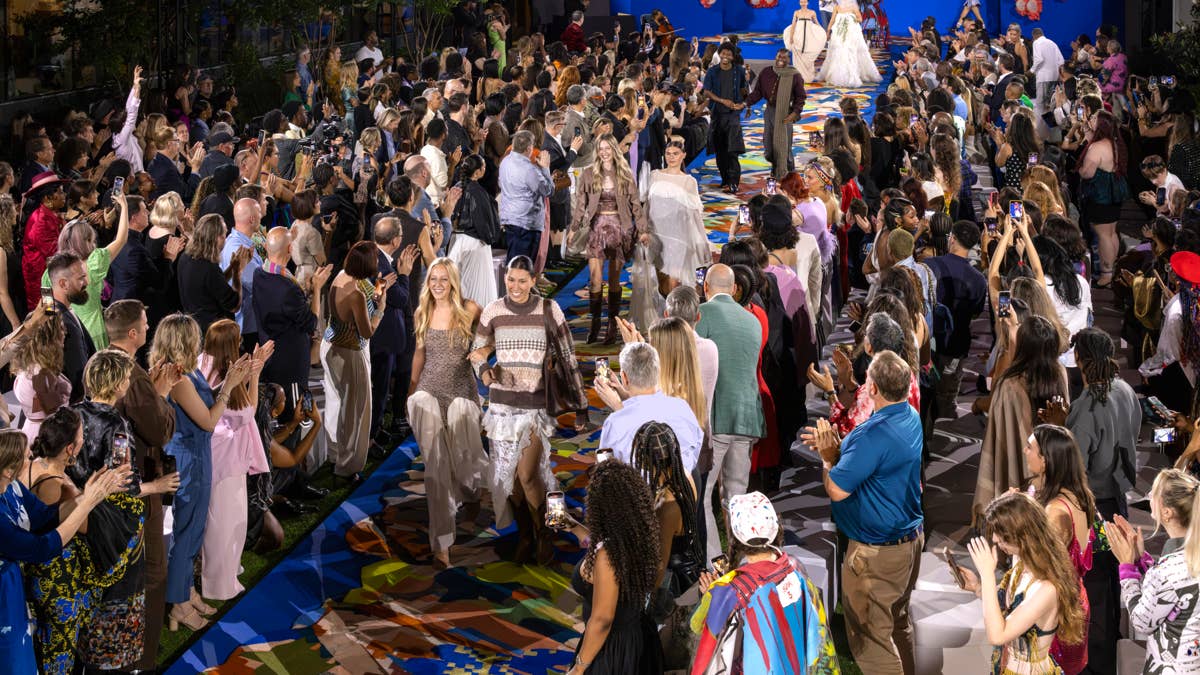
Fashion schools face a generational shift as Instagram, TikTok, and algorithmic feeds reshape how designers think about their work. The question isn't hypothetical anymore: students now design with engagement metrics in mind before they consider construction techniques.
Educators report students increasingly prioritize visual impact and scrollability over wearability and craftsmanship. A piece that photographs well performs better than one that fits properly. This reflects real market pressures. Emerging designers build followings first, collections second. Traditional design education emphasized garment construction and fit; now it competes with content strategy.
The tension runs deep. Fashion schools teach discipline rooted in technique and timeless principles. Social media rewards novelty, shock value, and trends that cycle weekly. Students balancing both worlds often sacrifice depth. A design that trends for two weeks beats one that lasts two seasons in algorithmic terms.
Some programs adapt curriculum deliberately. Schools introduce courses on digital storytelling, content creation, and brand building alongside pattern-making. Others resist, arguing that foundational skills matter more than follower counts. The disagreement reflects broader industry confusion about what fashion education should produce: craftspeople or content creators.
Students themselves acknowledge the split consciousness. Many design for their feeds and their grades simultaneously, two completely different languages. The algorithm rewards maximalism, provocation, and instant recognizability. Design fundamentals reward restraint, quality, and evolution.
This shapes which designers succeed post-graduation. Those who learned to game algorithmic systems launch brands faster. Those with strong technical skills struggle to translate craft into content that breaks through noise.
The fashion industry benefits from both skill sets, but schools rarely teach them as complementary. Instead, curricula lag behind market reality. Graduates enter a world where social media literacy proves as valuable as draping skills, yet most programs treat digital presence as optional.
THE BOTTOM LINE: Fashion education stands at a crossroads between