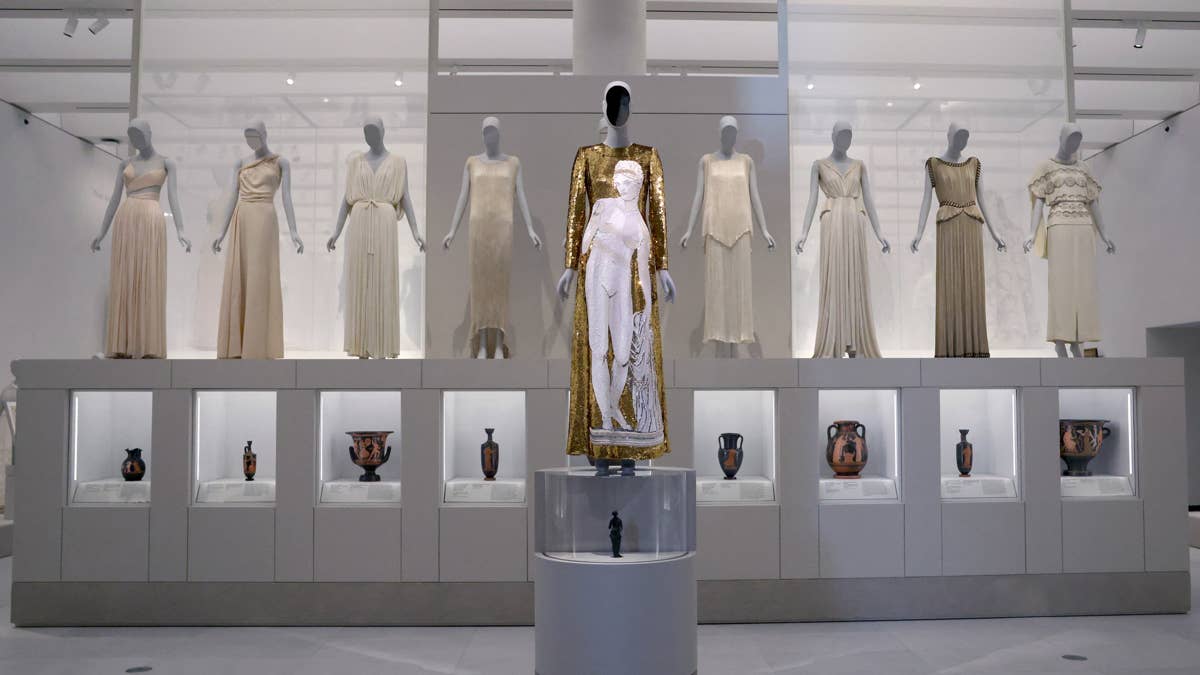
The Metropolitan Museum of Art's Costume Institute opens a landmark exhibition that positions fashion beyond aesthetics into the realm of bodily representation and cultural identity. The exhibit centers on how garments engage in conversation with the human form, history, and selfhood across diverse body types and backgrounds.
This curatorial approach departs from traditional fashion exhibitions that often featured idealized silhouettes. By showcasing costumes across varied body presentations, the Met acknowledges fashion's role in shaping how we understand ourselves and others. Garments become vessels for exploring race, gender, disability, and class through material culture.
The exhibition frames costume as art with equal weight to painting or sculpture. Historical pieces sit alongside contemporary designs, illustrating how designers across eras have negotiated the relationship between fabric, form, and identity. This perspective elevates fashion to fine art status within museum spaces, legitimizing what critics often dismiss as decorative or commercial.
The timing reflects broader industry conversations about inclusivity and body representation. Major fashion brands continue reckoning with narrow casting practices and size exclusivity. The Met's exhibition provides institutional validation for these debates, suggesting fashion institutions now recognize diversity as essential to understanding contemporary culture.
By centering the dressed body in all its forms, the Costume Institute challenges viewers to question how fashion communicates power, beauty, and belonging. The exhibition doesn't frame fashion as neutral; instead, it exposes how garments carry ideological weight and cultural meaning.
This show matters because it signals the museum world's shift toward democratizing fashion history. Fashion institutions increasingly resist the gatekeeping that once confined museums to elite aesthetic standards. The Costume Institute positions itself as a space where fashion's relationship to identity becomes worthy of the same scholarly rigor applied to fine art.
THE TAKEAWAY: Fashion museums now recognize that bodily diversity and cultural identity belong at the center of fashion history, not the margins.