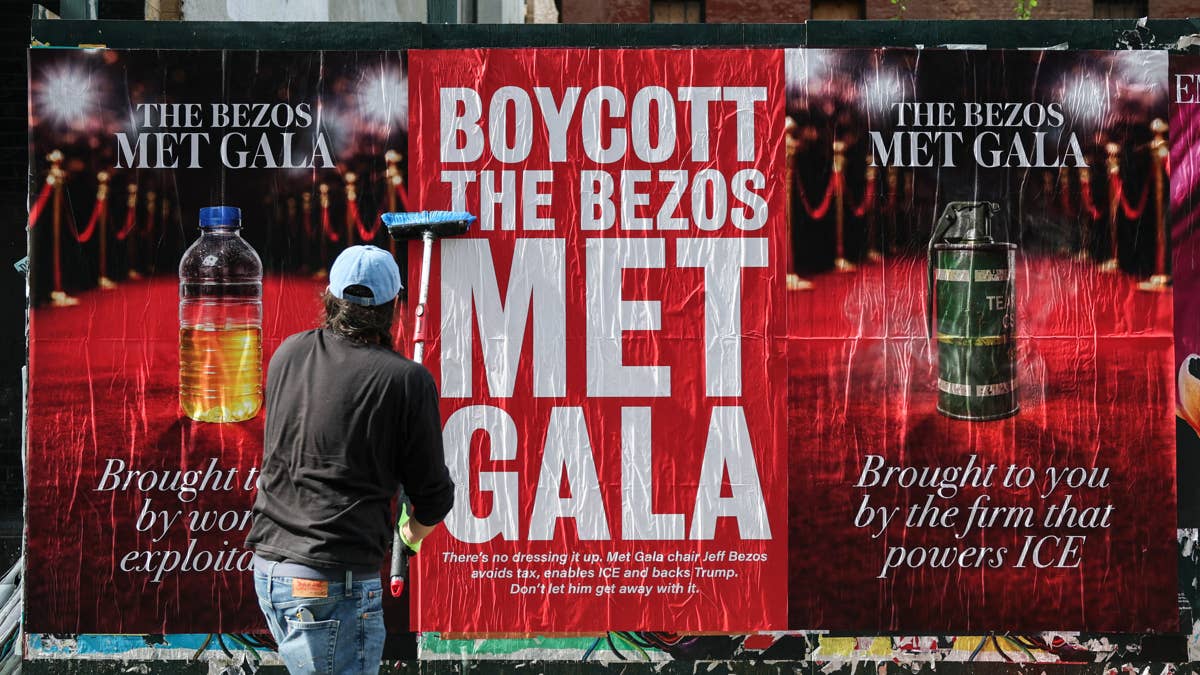
Amazon founder Jeff Bezos faced immediate criticism after attending the Met Gala as a guest of the Costume Institute, with fashion insiders questioning whether billionaires belong at an event traditionally centered on artistic merit and cultural commentary. The backlash reflects growing tensions within fashion about who gets celebrated at the industry's most exclusive night, particularly when major philanthropic contributions appear to overshadow curatorial vision.
Meanwhile, figure skater Alysa Liu signed on as Louis Vuitton's newest brand ambassador, marking the luxury house's continued investment in athletes across multiple disciplines. Liu joins a roster of sports personalities tapping into the luxury market, signaling how brands now view athletic credentials as extensions of aspirational lifestyle marketing. The partnership positions LV within the competitive athlete space alongside rivals like Chanel and Dior, who have similarly courted Olympic and professional talent.
The news cycle also lifted "The Devil Wears Prada 2" to the box office top spot, underscoring fashion's enduring hold on entertainment and pop culture. The sequel's performance validates that the original's satirical take on luxury fashion and power dynamics remains culturally resonant nearly two decades later. The film's success signals demand for fashion-adjacent storytelling that balances glamour with critique.
These three developments capture fashion's current tensions. The Bezos incident exposes debates about wealth's role in culture. Liu's ambassador deal reflects how athletics and luxury continue their strategic convergence. The film's dominance shows fashion narratives still captivate mainstream audiences. Together, they illustrate an industry grappling with access, commercialization, and storytelling power.
THE TAKEAWAY: Fashion's biggest moments now live at the intersection of wealth criticism, celebrity athletes, and entertainment value.