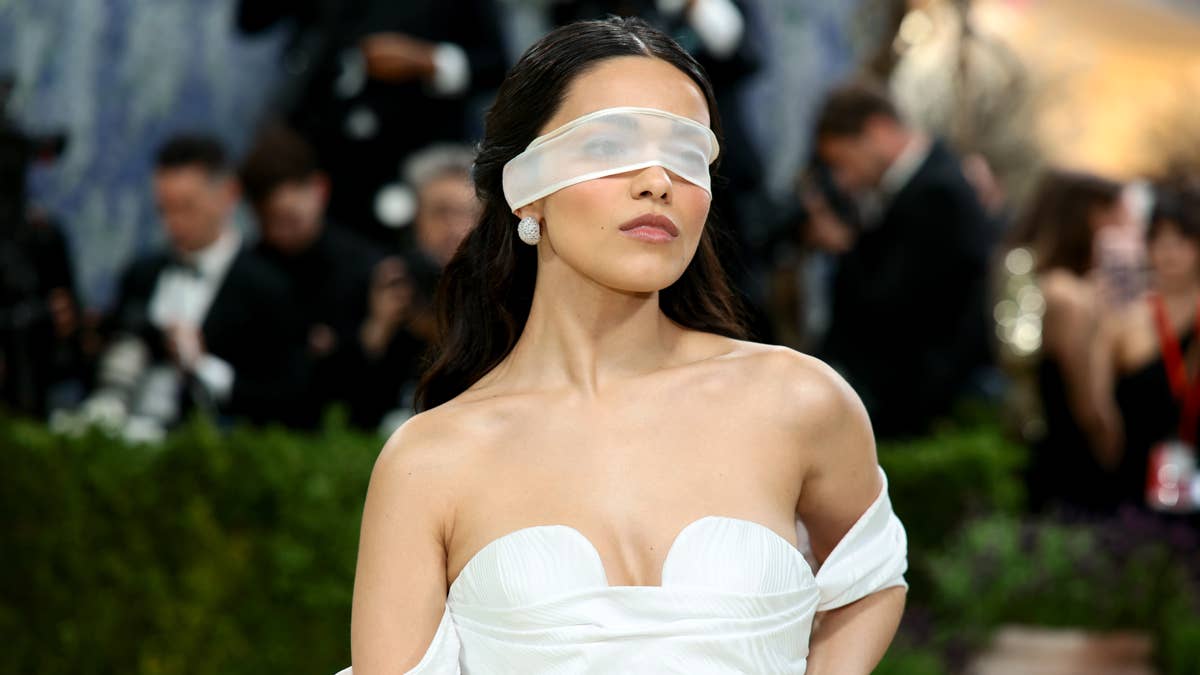
The 2026 Met Gala delivered fashion steeped in art history. Rachel Zegler channeled Paul Delaroche's "The Execution of Lady Jane Grey," translating the painting's dramatic tragedy into haute couture. Heidi Klum transformed herself into a living marble statue, blurring the line between fashion and sculpture.
The theme invited attendees to reference specific artworks, and the responses ranged from literal interpretation to abstract homage. Designers engaged with centuries of artistic tradition, pulling from Old Masters and contemporary pieces alike. The result was a red carpet that functioned less as fashion display and more as a curated exhibition of wearable art history.
Zegler's look captured Delaroche's composition, with its gothic sensibility and period-specific silhouettes. The styling acknowledged the painting's emotional weight rather than simply borrowing its aesthetic. Klum's transformation proved that fashion could achieve the permanence and cool perfection of sculpture when paired with strategic fabrication and structural engineering.
These looks represent a broader industry shift toward art-directed storytelling on the gala's red carpet. Rather than designing standalone pieces, fashion houses increasingly craft narrative arcs that reference and respect existing artistic legacies. This approach elevates the conversation beyond celebrity dressing into art criticism and curation.
The 2026 Met Gala demonstrated that fashion's greatest power lies in dialogue with other disciplines. When a gown becomes commentary on a Renaissance painting or a silhouette mirrors classical sculpture, fashion enters the museum on equal footing with the artworks it references.
THE TAKEAWAY: Fashion's most prestigious night proved that the medium works best when it engages directly with art history rather than existing in isolation.