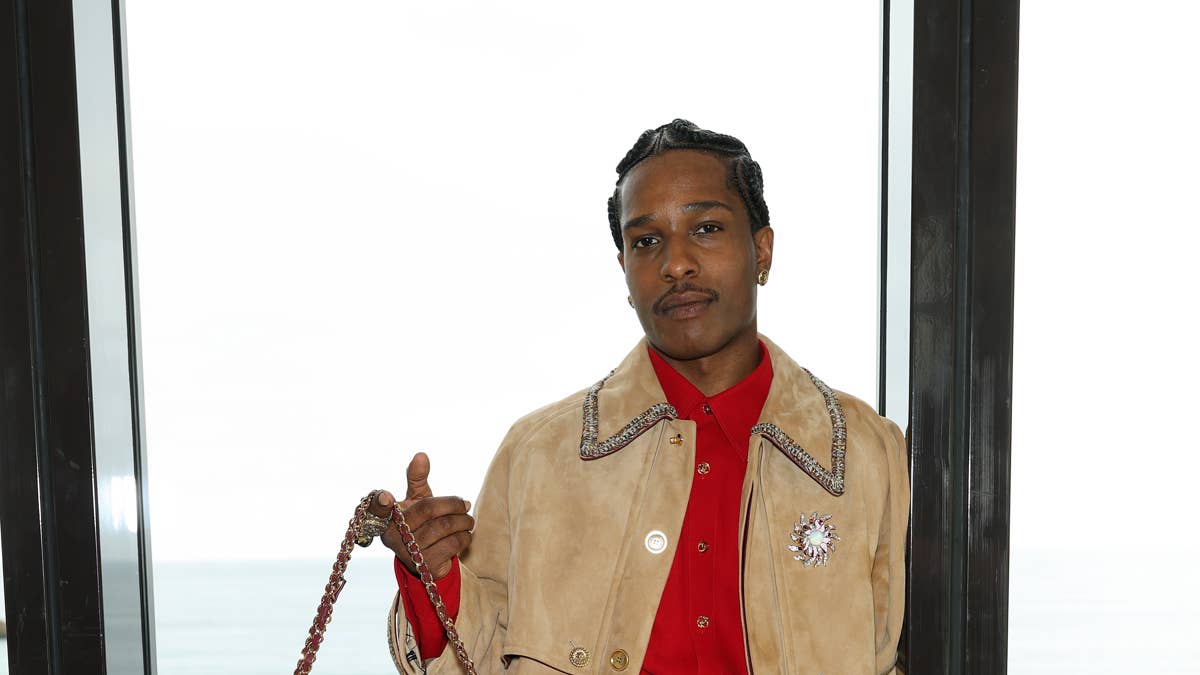
Chanel dominated Lyst's first-quarter 2026 index, claiming the top spot among the most-searched luxury brands globally. The French house's consistent dominance reflects sustained consumer appetite for heritage craftsmanship and iconic silhouettes.
Emerging brands face a critical juncture as they scale operations. Sustainability no longer functions as a marketing differentiator but as table stakes. Brands that build transparent supply chains and invest in sustainable materials from inception gain competitive advantages over those retrofitting eco-credentials later. Growth without environmental accountability increasingly alienates conscious consumers and invites regulatory scrutiny.
C.O. Bigelow, the historic apothecary, expanded its retail footprint through a partnership with Abbode. The collaboration signals renewed momentum for niche beauty brands seeking distribution beyond direct-to-consumer channels. C.O. Bigelow's move capitalizes on retail's pivot toward curated, specialist beauty offerings that challenge mass-market dominance.
These developments chart fashion and beauty's trajectory. Established houses like Chanel leverage brand equity to weather market volatility. Emerging players must balance growth ambitions with sustainability commitments to survive long-term. Traditional retailers and indie brands find mutual benefit in strategic partnerships that expand reach while maintaining brand integrity.